

April Driving Safety Tips
As professional driving instructors, we often say that the most dangerous time to be on the road isn't necessarily the middle of a blizzard—it’s the transition between seasons.
April is the definition of "unpredictable." One morning you’re commuting in bright spring sunshine, and by the afternoon, you’re navigating a torrential downpour or a foggy mist. These "April showers" bring more than just flowers; they bring a unique set of hazards that require a shift in your driving mindset.
To help you stay safe this week, here is how we train our students to handle the shifting conditions of spring.
1. Master the "Slick Factor" of Wet Roads
The first rain after a dry spell is often the most dangerous. During the winter, oil, grease, and debris build up on the pavement. When the April rain hits, it lifts those oils to the surface, creating a literal "skating rink" effect.
- Instructor Tip: Don't wait for a downpour to slow down. Reduce your speed at the first sign of mist and double your following distance. Your tires need extra time to find grip on slick spring asphalt.
2. Manage Changing Visibility
Foggy mornings and sudden cloudbursts can drop your visibility from miles to mere feet in seconds. Many drivers instinctively turn on their high beams in the fog, but this actually makes visibility worse by reflecting light back into your eyes.
- Instructor Tip: Keep your low beams on even during the day. It’s not just about you seeing the road; it’s about making sure other drivers can see you.
3. The "Pothole Pivot"
Winter is hard on Ohio roads. The freeze-thaw cycle leaves behind deep potholes that can cause serious alignment damage or even a blowout.
- Instructor Tip: Avoid the urge to "swerve" suddenly to miss a pothole, as this can put you in the path of oncoming traffic. Instead, keep a wide scanning habit. Look further down the road so you can spot hazards early and merge smoothly around them.
4. Share the Road: The Spring Awakening
Warmer weather means the road is no longer just for cars and trucks. April marks the return of motorcyclists, cyclists, and pedestrians. These road users are smaller and much harder to see, especially during a rainstorm.
-
Instructor Tip: Check your blind spots twice before changing lanes or turning in residential areas. With construction season also kicking into gear, be prepared for sudden lane shifts and workers near the roadway.
5. Spring Clean Your Safety Tech
Your vehicle’s safety features are only as good as their maintenance. After a harsh winter, your windshield wipers may be cracked, and your tire pressure may have fluctuated.
-
Instructor Tip: Check your "Safety Trio": Tires (for tread depth), Brakes (for responsiveness), and Wipers (for streak-free clearing). Proper maintenance is your first line of defense against a crash.
Stay Focused, Stay Safe
Transitional seasons require a higher level of "active driving." By staying patient and adjusting your habits to meet the environment, you ensure that you arrive at your destination safely, regardless of what the April weather throws at you.
Do you have questions about advanced driver training or need more safety resources? The DriveTeam experts are here to help.
Ready to sharpen your skills? Contact us today to learn more about our advanced safety clinics.
Drive safe this week!
More From Our Blog

October Is National Pedestrian Safety Month — Here’s What Drivers Need to Know
October doesn't just mean cooler mornings and changing leaves. It's National Pedestrian Safety Month, and the roads carry more foot traffic than almost any other time of year — school pickup lines, sports practices, trick-or-treaters, and Halloween night itself. NHTSA...

Fall Driving Safety Tips: 8 New Hazards Every Driver Needs to Know
The 100 Deadliest Days are over. Fall driving risk is just getting started. As the school-year routine settles in and the 100 Deadliest Days of Summer fade into the rearview mirror, it's tempting to assume the riskiest stretch of the driving year is behind us. It...
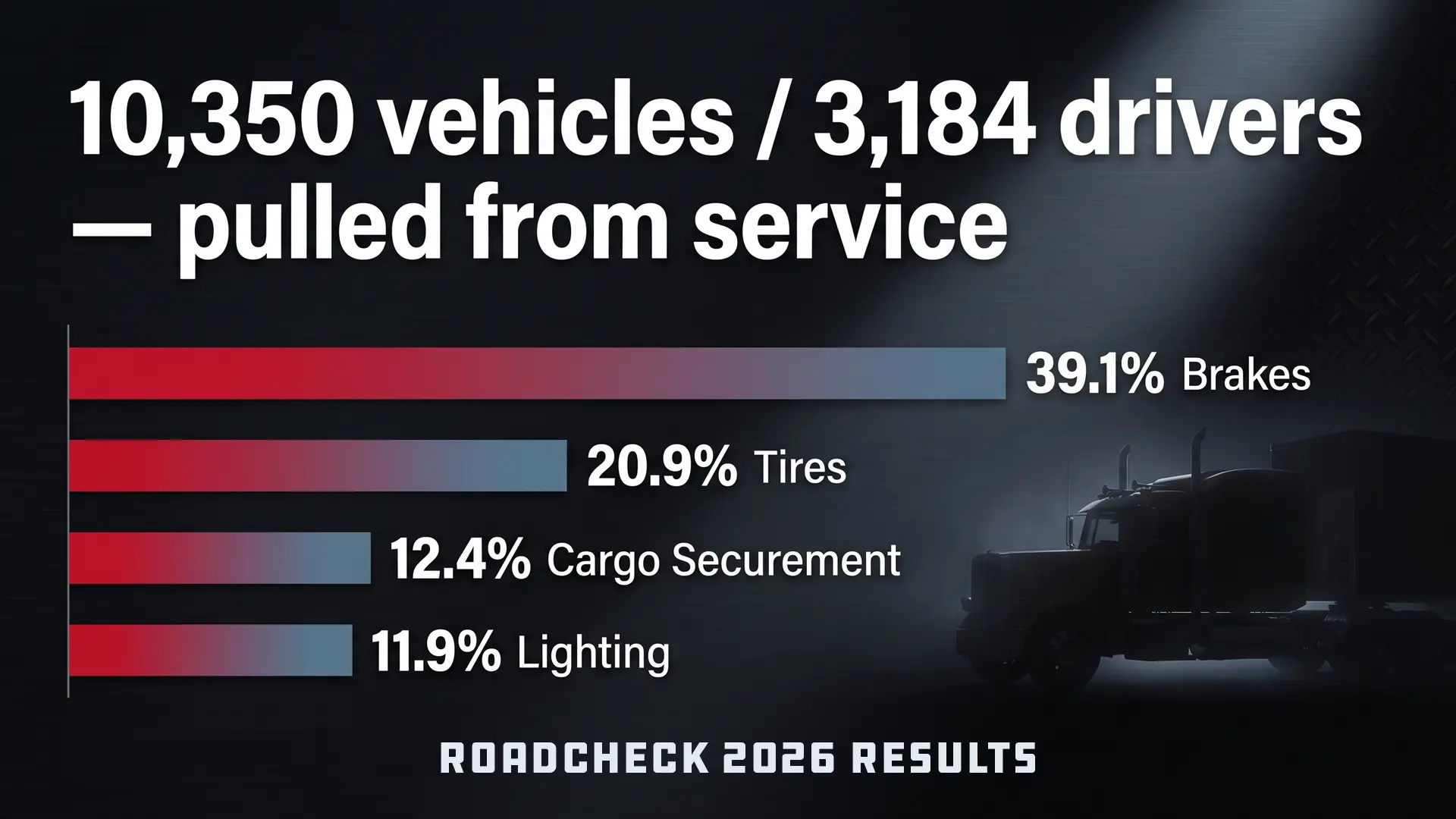
Roadcheck 2026 Results: What 10,000 Grounded Trucks Reveal About Your Fleet’s Risk
During this year's three-day International Roadcheck, certified inspectors conducted 54,575 roadside inspections across the U.S., Canada, and Mexico — and sidelined 10,350 commercial motor vehicles and 3,184 drivers for safety violations serious enough to warrant an...