

“Winter Confidence” vs. February Driving Safety
By February, most of us think we’ve conquered winter. We’ve survived the December blizzards and the January freezes. But at DriveTeam, we see a dangerous pattern every year: Complacency.
While the calendar says spring is coming, the roads say otherwise. February is often the month where “black ice” and “slush planing” catch seasoned drivers off guard. Here’s how to stay sharp when the honeymoon phase of winter driving has worn off.
The “False Spring” Trap: Why February Crashes Spike
It’s easy to get lulled into a false sense of security. However, data shows that winter crashes don’t just happen in the first snow. In states like Ohio, we’ve seen February crash counts jump nearly 600% in particularly volatile years.
The danger isn’t just the snow; it’s the temperature swing.
- The Freeze-Thaw Cycle: Daytime melt becomes nighttime ice.
- Black Ice: It’s not a myth—it’s a thin layer of transparent ice that forms on bridges and overpasses while the rest of the road looks “just wet.”
Instructor Pro-Tip: If the road looks “damp” but there’s no spray coming off the tires of the car in front of you, you are driving on ice. Slow down immediately.
Master the “Three S’s” of Winter Control
In our performance driving courses, we teach that smooth is fast, but smooth is also safe. When traction is low, your car has a limited “budget” for grip. If you spend it all on a sharp turn, you have nothing left for braking.
- Speed: 55 mph might be the limit, but 35 mph might be the reality. Give yourself permission to be the “slow” car.
- Space: Triple your following distance. If the car ahead hits a patch of black ice, you need a “buffer zone” to react without slamming your own brakes.
- Steering: Avoid “jerky” movements. Imagine there is a bowl of water on your dashboard—don’t let a single drop spill.
Visibility: It’s Not Just About You Seeing
February brings a nasty mix of road salt, grime, and grey “flat light.” If your car is covered in a layer of salt, you become invisible to other drivers.
- The “Headlights On” Rule: If your wipers are on, your lights should be too. Even in the daytime, a silver car disappears against a backdrop of grey slush.
- Clear Your Sensors: Modern cars rely on cameras and radar for emergency braking. If your bumper is covered in slush, your car is driving “blind.”
Why “Know Your Vehicle” Actually Matters
We often say, “Know Yourself, Know Your Vehicle.” This isn’t just a slogan. Do you know how your ABS (Anti-lock Braking System) feels when it kicks in? It will pulse and make a grinding noise—don’t let go of the pedal. February is the month that tests your patience. Whether you are a professional fleet driver or a parent heading to a basketball game, remember: The most dangerous thing you’ll do today is get behind the wheel. Stay focused. Stay smooth.
Let’s get home every day.
Improve Your Driving Skills Today!
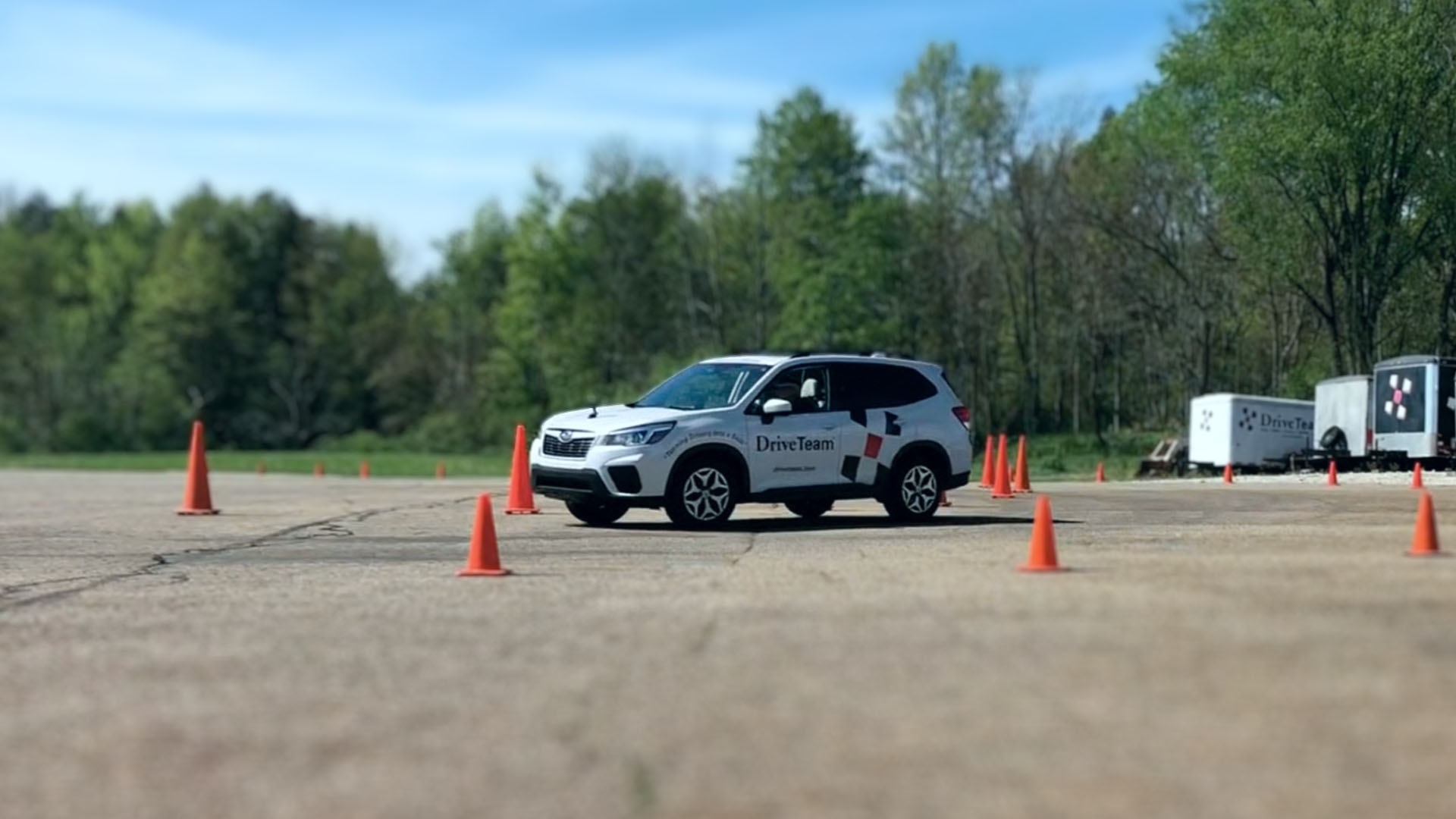
2-Day Advanced Skills

4-Hour Winter Skills Clinic
More From Our Blog

Winter Driving Safety: Master Speed and Following Distance on Icy Roads
Winter Driving Safety TipsAs we navigate through February, the "mid-winter lull" can be a driver’s most dangerous season. In Northeast Ohio and across the country, we often see a cycle of daytime thawing followed by evening freezes. This creates a deceptive...

Master the Winter Roads: Your Essential Driving on Snow and Ice Tips
Driving on Snow and Ice Tips - Master Winter DrivingThe recent blanket of snow and treacherous ice across our roads serves as a stark reminder: winter driving is a different beast altogether. It demands more than just skill; it requires a heightened sense of patience,...

How to Lower Your Corporate Motor Vehicle Crash Rate in 2026
Motor vehicle crashes remain the highest-risk activity for organizations with employees on the road. Whether your team drives daily or occasionally, the time spent behind the wheel is often the most dangerous part of their workday. At DriveTeam, we partner with fleets...
Trackbacks/Pingbacks