
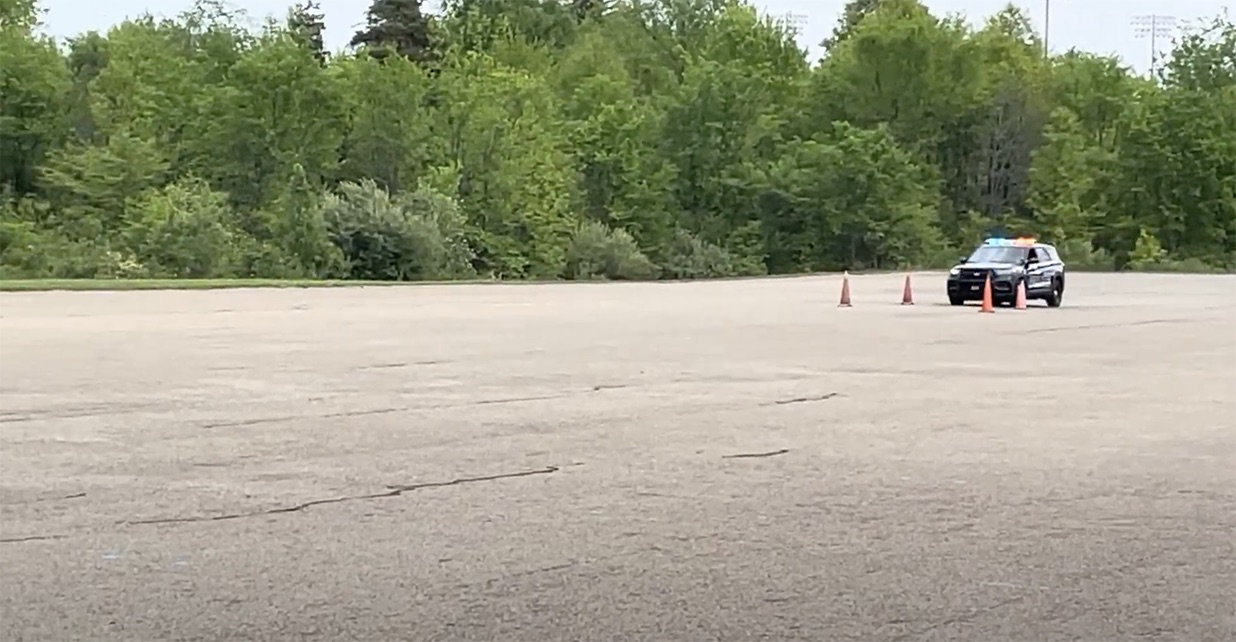
As law enforcement leaders, ensuring the safety of both your officers and the public is a top priority. One of the critical components of officer education that often goes under-discussed is pursuit driver training. Pursuits involve high-stress, high-speed driving where quick, sound decision-making can prevent devastating outcomes.
Why Pursuit Driver Training is Essential
Officer and Public Safety
According to the Bureau of Justice Statistics, one person dies every day as a result of police pursuits. Training officers to handle these high-risk situations is crucial to minimizing dangers to themselves, their colleagues, and the public. Pursuit training teaches officers how to maintain vehicle control under stress, manage adrenaline, and make clear decisions on whether to continue or disengage. The National Institute of Justice (NIJ) notes that 70% of pursuits end in crashes, 5 out of 7 result in injuries, and 1 out of 5 leads to fatalities. Training aims to lower these numbers.
Liability and Legal Concerns
Pursuit-related incidents can expose police departments to significant legal risks, especially if an officer involved has not been properly trained. Departments must ensure their officers have a solid foundation in pursuit tactics to reduce the likelihood of crashes, injuries, and potential lawsuits. As courts increasingly hold agencies accountable, comprehensive pursuit training equips officers with the skills and judgment needed to pursue safely.
Tactical Driving Skills
Pursuit training covers more than defensive driving techniques. It includes high-speed maneuvering, precision driving, and understanding how vehicle dynamics change at high speeds, particularly in urban environments. Mastering these skills is crucial for reducing accidents that occur when officers lose control of their vehicles during a chase.
Decision-Making Under Pressure
Pursuits are often unpredictable. Officers must evaluate whether to initiate, continue, or terminate a pursuit based on several factors—road conditions, the seriousness of the offense, and public safety. Pursuit training provides tools for officers to make informed, split-second decisions, ensuring safety for all involved.
Aligning with Best Practices
Many states and law enforcement agencies have updated their pursuit policies to align with best practices. Pursuit driver training ensures officers fully understand and apply these policies in real-world situations. Over the years, we’ve seen a significant increase in sound decision-making by officers due to the consistent practice offered in our pursuit driver training scenarios.
Conclusion: Training Over Instinct
Pursuit driver training isn’t just about teaching officers how to drive fast—it’s about preparing them to make informed, responsible decisions under stress. By investing in this type of training, departments can reduce accidents, injuries, and fatalities while protecting both officers and the communities they serve.
Fall 2024 Training Opportunities Available
Don’t miss our upcoming Fall 2024 training sessions—each course provides 8 CPT credits. Reach out today to secure your spot and enhance your department’s pursuit safety skills.
More From Our Blog

Navigating the Shift: A Professional Instructor’s Guide to April Showers
April Driving Safety TipsAs professional driving instructors, we often say that the most dangerous time to be on the road isn't necessarily the middle of a blizzard—it’s the transition between seasons. April is the definition of "unpredictable." One morning you’re...

The High Cost of Anger: A Professional Instructor’s Guide to Managing Road Rage
Road Rage PreventionAs driving instructors, we teach our students that the most important safety feature in any vehicle isn't the airbag or the collision-avoidance system—it’s the driver’s mindset. When you lose your cool, you lose your ability to scan the horizon,...

The “No CDL” Trap: Understanding DOT Rules for Vehicles 10,001 – 26,000 lbs.
Are you DOT Compliant?In my years of training drivers and consulting with fleet owners, I see the same look of shock far too often. It usually happens right after a roadside inspection or a surprise audit. A business owner will say, "But my trucks are under 26,000...