

Driving on Snow and Ice Tips – Master Winter Driving
The recent blanket of snow and treacherous ice across our roads serves as a stark reminder: winter driving is a different beast altogether. It demands more than just skill; it requires a heightened sense of patience, thorough preparation, and unwavering attention.
At DriveTeam, we believe that informed drivers are safe drivers. That’s why we’ve put together these crucial driving on snow and ice tips to help you navigate challenging winter conditions safely and confidently.
The Harsh Reality: Traction and Stopping Distances
It’s easy to underestimate just how much snow and ice impact your vehicle’s performance. The truth is, these conditions drastically reduce tire traction, leading to a shocking increase in stopping distances. We’re talking about 10 to 12 times longer to stop your vehicle compared to dry pavement. Yes, you read that right—ten to twelve times!
This means that even at seemingly safe, lower speeds, your car needs significantly more time and space to come to a complete halt.
Your Golden Rules for Slick Conditions:
-
Slow Down: This is non-negotiable. Reducing your speed is the single most effective way to regain control and reduce stopping distances.
-
Increase Following Distance: The standard “three-second rule” goes out the window. Aim for eight to ten seconds of following distance on icy roads.
-
Avoid Sudden Movements: Think gentle. Sudden steering, abrupt braking, or aggressive acceleration are the quickest ways to lose traction and send your vehicle into a skid.
The Invisible Threat: Black Ice
One of winter’s most insidious dangers is black ice. It’s nearly impossible to see, often appearing as nothing more than a wet patch on the road.
Be especially vigilant in these areas:
-
Bridges and Overpasses: These structures are exposed to cold air both from above and below, causing them to freeze faster than the regular road surface.
-
Shaded Areas: Spots that don’t receive direct sunlight, such as under trees or buildings, will remain colder and icier.
-
Early Mornings and Nights: Temperatures drop, and moisture can freeze more readily.
Pro Tip: If roads look wet and the temperature is hovering near or below freezing, assume it’s icy. Better safe than sorry!
Before You Go: Prepare Your Vehicle
Safe winter driving starts before you even turn the key. A few minutes of preparation can make all the difference.
-
Clear Everything: Don’t just clear a “peephole” on your windshield. Clear all snow and ice from windows, mirrors, headlights, taillights, and any vehicle sensors. Reduced visibility and obscured lights are major hazards.
-
Check Your Tires: Ensure your tires are properly inflated and have adequate tread depth. Winter tires offer superior grip in cold temperatures and on snow/ice—consider investing in a set if you live in a region with harsh winters.
-
Allow Extra Time: Rushing leads to bad decisions. Build in ample travel time to your schedule so you’re never tempted to drive faster than conditions allow.
The “Smoothness” Principle: Your Best Defense
This is perhaps the most crucial driving on snow and ice tip we can offer: Be smooth!
-
Smooth Acceleration: Gentle pressure on the gas pedal helps prevent wheel spin.
-
Smooth Braking: Apply steady, gradual pressure to the brake pedal. If your vehicle has ABS, you might feel a pulsing sensation; this is normal—continue to press firmly.
-
Smooth Steering: Make gradual, subtle steering inputs. Jerking the wheel can easily upset your vehicle’s balance and lead to a skid.
Smooth actions decrease the chances of losing traction. And if you do start to slide, maintaining smooth control makes recovery significantly easier.
Drive Safe, Arrive Safe
Driving is one of the most dangerous activities most of us engage in daily. Making smart, informed decisions behind the wheel protects not only you but also your passengers and everyone else sharing the road.
Let’s commit to getting home safely every day.
Know your vehicle. Know yourself. DriveTeam is here to help you get home today.

More From Our Blog
Brake Safety Week 2023 Results
Unveiling the Outcomes of Brake Safety Week 2023 During the Commercial Vehicle Safety Alliance’s annual Brake Safety Week inspection blitz focusing on brake systems and components, more than 87% of the commercial vehicles inspected were free of brake-related...
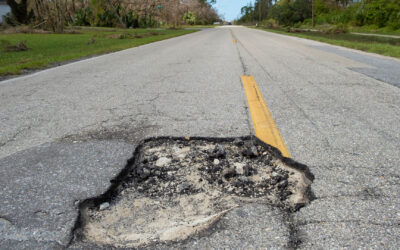
Common Driving Dangers and Proven Tips to Avoid Them
Have you ever experienced a near-miss on the road? The heart-stopping moment when an unseen hazard suddenly appears, forcing you to react in a split second? I remember one foggy morning. I was cruising along the highway when out of nowhere, tire debris scattered...
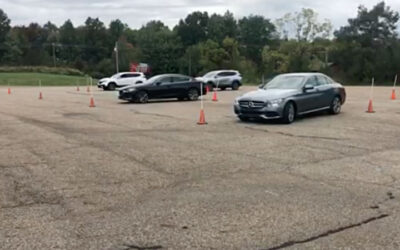
Mastering the Maneuverability Driving Test: Tips and Techniques for Success
Maneuverability Tips and Techniques Purpose: This maneuverability exercise is meticulously crafted to help drivers grasp the concepts of correct vehicle rotation and pivot. It emphasizes the importance of effectively utilizing your mirrors, especially when backing up,...