
How to recognize changing road conditions, reduce risk, and make better decisions behind the wheel.
November is one of the riskiest months of the year to drive. Deer activity peaks, daylight saving time ends and pushes commutes into darkness, wet leaves and early ice reduce traction, and Thanksgiving brings heavy traffic, fatigue, and impaired drivers. In Ohio, 22% of deer-involved crashes from 2019 through 2023 happened in November alone. The safest November drivers slow down early, add following distance, and decide before every trip how they will manage the conditions ahead.
November is a month of transition. Temperatures begin to drop, daylight hours become shorter, wildlife becomes more active, and millions of Americans prepare to travel for the Thanksgiving holiday.
While many drivers associate winter driving hazards with December, January, and February, November can be just as challenging.
The biggest danger isn't necessarily one specific hazard. It's the combination of changing conditions and drivers who fail to adjust.
At DriveTeam, we believe safe driving begins with three essential elements: Knowledge, Skills, and Decision Making.
Understanding the risks is the first step. Knowing how to respond, and making the right decisions before an emergency develops, is what keeps drivers safe.
Here are seven November driving risks every driver should recognize, along with practical ways to reduce them.
1. Why Are Deer Crashes So Common in November?
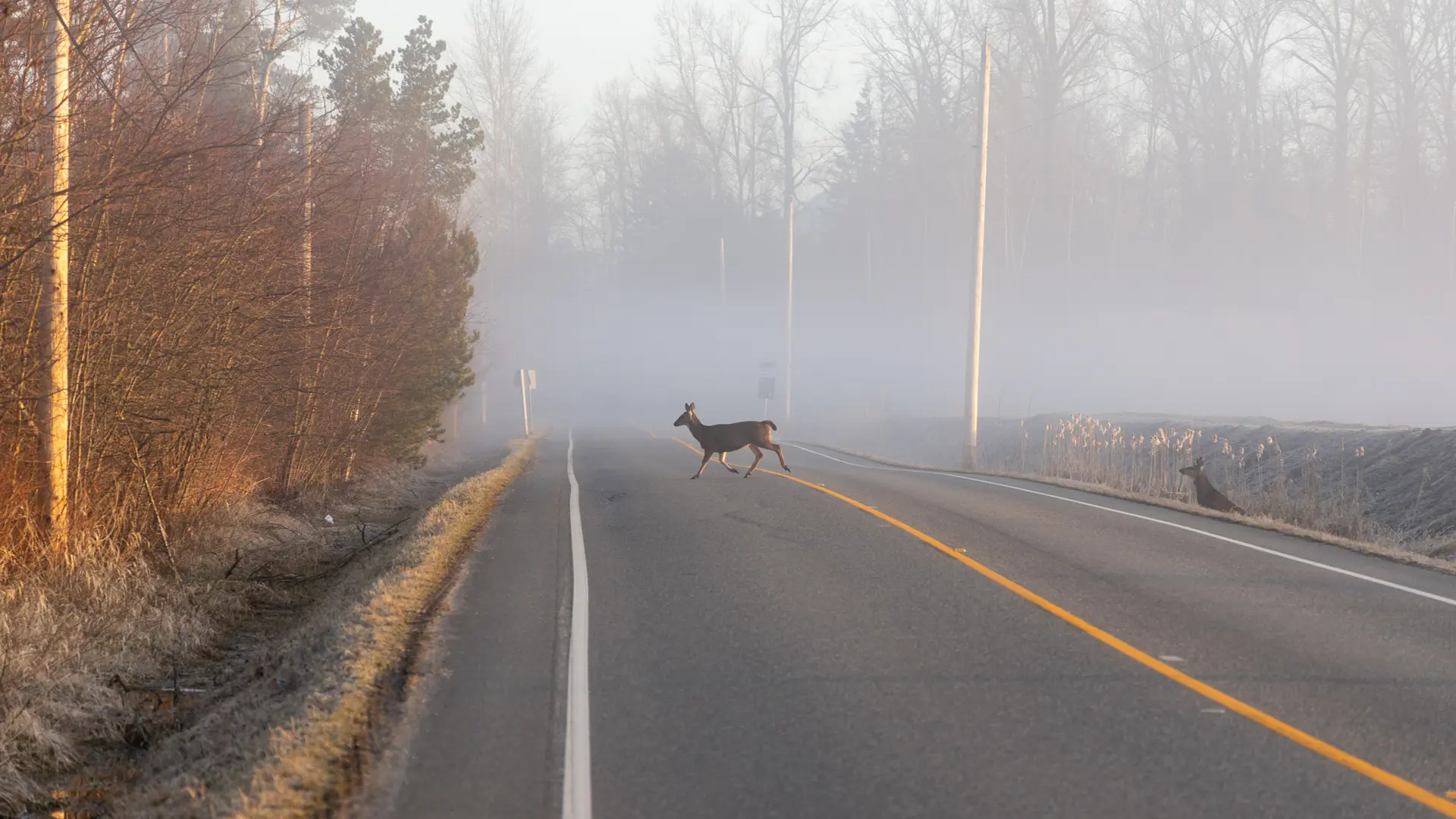
November is one of the most active months for deer-related crashes, particularly in Ohio and throughout the Midwest.
According to the Ohio State Highway Patrol, 22% of Ohio's deer-involved crashes from 2019 through 2023 occurred during November alone.
Deer movement increases during the fall breeding season, known as the rut, and drivers may encounter deer crossing roadways unexpectedly.
Deer are especially difficult to see during dawn and dusk, when visibility is already reduced. Ohio crash data identifies those same hours as the most likely times for deer-involved crashes. You can explore county-level numbers on the Patrol's OSTATS crash dashboard.
How to reduce the risk
- Reduce speed in wooded, rural, and high-deer-activity areas.
- Scan both sides of the road, especially near tree lines and fields.
- If you see one deer, anticipate others nearby.
- Use high beams when appropriate, but dim them for approaching traffic.
- If a collision is unavoidable, brake firmly and stay in your lane. Swerving can put you into oncoming traffic or off the road, which is often more dangerous than the deer.
DriveTeam Safety Tip: Look beyond the roadway. Recognizing movement along the roadside may provide the extra time needed to avoid a collision.
2. How Do You Drive Safely When It Gets Dark Early?
When daylight saving time ends in early November, many drivers find themselves commuting home in darkness.
Night driving reduces visibility, makes judging distances more difficult, and limits the amount of time available to recognize hazards.
Pedestrians, cyclists, animals, and disabled vehicles can become especially difficult to see.
How to reduce the risk
- Reduce speed to match your available visibility.
- Increase following distance.
- Keep headlights, taillights, and windshields clean.
- Avoid looking directly into approaching headlights.
- Scan farther ahead and toward the edges of the roadway.
- Be especially alert at intersections and pedestrian crossings.
DriveTeam Safety Tip: Never drive faster than the distance you can clearly see and safely stop within. Your headlights should provide enough visibility for you to recognize a hazard and respond appropriately.
3. Are Wet Leaves Slippery to Drive On?
Yes. Fallen leaves may look harmless, but when wet, they can create slippery driving surfaces.
Rain, standing water, and colder pavement temperatures can further reduce available traction.
This becomes especially dangerous during braking, turning, and sudden steering maneuvers.
How to reduce the risk
- Reduce speed before entering curves or making turns.
- Increase following distance to at least four seconds under favorable conditions, and add more time when roads are wet or slippery.
- Brake smoothly and earlier than normal.
- Avoid abrupt steering and acceleration.
- Check tire tread depth and tire pressure.
- Avoid using cruise control when traction is uncertain.
DriveTeam Safety Tip: Your tires have a limited amount of available traction. Braking, steering, and accelerating all require traction. Smooth vehicle inputs help preserve control.
4. What Is Black Ice, and Why Do Bridges Freeze First?
November weather can change quickly.
A morning commute may begin with dry pavement and end with snow, freezing rain, or icy conditions.
Black ice is a thin, clear glaze of ice that takes on the color of the pavement beneath it, so the road looks wet rather than frozen. Bridges, overpasses, shaded roads, and untreated surfaces may freeze before other sections of the roadway. Bridges and overpasses lose heat from above and below, while the rest of the road is insulated by the ground.
One of the biggest mistakes drivers make is assuming the roadway is safe because it looks wet rather than icy.
How to reduce the risk
- Check weather and road conditions before traveling. Ohio drivers can use OHGO, ODOT's real-time traffic and road conditions service.
- Be especially cautious when temperatures approach freezing.
- Reduce speed before reaching bridges and overpasses.
- Increase following distance significantly.
- Avoid sudden braking, steering, or acceleration.
- Make sure tires, windshield wipers, defrosters, and lights are working properly.
- Allow extra travel time.
DriveTeam Safety Tip: Four-wheel drive and all-wheel drive may help a vehicle accelerate, but they do not eliminate the limitations of traction when braking or turning. New drivers can practice these limits safely in our 4-Hour Winter Skills clinic.
5. How Can You Stay Safe During Thanksgiving Travel?
Thanksgiving is one of the busiest travel periods of the year.
More vehicles on the road create additional opportunities for congestion, sudden stops, aggressive driving, and crashes.
Drivers may also be traveling unfamiliar routes, navigating crowded parking lots, or rushing to reach their destinations.
How to reduce the risk
- Plan your route and departure time in advance.
- Allow extra travel time.
- Maintain a safe following distance.
- Avoid unnecessary lane changes.
- Expect congestion near highway interchanges and major shopping areas.
- Keep your phone out of reach while driving.
- Be patient with other drivers.
DriveTeam Safety Tip: Being in a hurry doesn't make traffic move faster. It simply increases the likelihood that you'll make a poor decision.
6. How Do Fatigue and Distraction Affect Your Driving?
November can be a busy month. Work responsibilities, family activities, holiday planning, and travel can all contribute to fatigue and distraction.
Fatigue affects attention, reaction time, judgment, and decision making. The National Highway Traffic Safety Administration treats drowsy driving as a form of impaired driving for exactly that reason.
Distracted driving creates similar problems by taking the driver's attention away from the driving task.
How to reduce the risk
- Get adequate sleep before long trips.
- Take regular breaks during extended travel.
- Stop driving when you become drowsy.
- Avoid driving during hours when you would normally be sleeping.
- Program navigation before leaving.
- Put away mobile devices.
- Keep your attention on the driving environment.
DriveTeam Safety Tip: Recognize when you're not physically or mentally prepared to drive. Sometimes the safest decision is to delay the trip, stop for rest, or allow someone else to drive.
7. How Many People Die in Drunk-Driving Crashes at Thanksgiving?
Thanksgiving celebrations, gatherings with friends, and holiday events may involve alcohol.
Unfortunately, some drivers still choose to get behind the wheel after drinking.
According to the National Highway Traffic Safety Administration (NHTSA), 910 people lost their lives in drunk-driving crashes during Thanksgiving holiday periods between 2020 and 2024. That is more than one-third of all traffic deaths during those holiday periods.
That statistic serves as a reminder that the decisions drivers make before getting behind the wheel can have life-changing consequences.
Alcohol affects judgment, coordination, reaction time, and the ability to recognize hazards.
Impairment can also result from certain medications and other substances.
How to reduce the risk
- Never drive while impaired by alcohol or other substances.
- Arrange a designated driver before attending gatherings.
- Use a rideshare, taxi, or other safe transportation option.
- Understand how medications may affect driving ability.
- Watch for unpredictable behavior from other drivers.
- Maintain space around your vehicle whenever possible.
DriveTeam Safety Tip: The decision to avoid impaired driving should happen before the first drink, not when it's time to go home.
Why Is Anticipation the Most Important November Driving Skill?
Although November presents several different driving hazards, they all share one common solution:
Drivers must recognize risks early and make adjustments before an emergency develops.
Consider these examples:
- You see a deer standing near the roadway. Instead of waiting for it to move, you reduce your speed and prepare for it to move.
- You're approaching a shaded bridge on a freezing morning. Instead of assuming the pavement is clear, you reduce your speed before reaching it.
- You're traveling in heavy Thanksgiving traffic. Instead of following closely, you create additional space.
- You're driving after dark. Instead of maintaining the same speed you would during daylight, you adjust to your limited visibility.
These are examples of proactive driving.
A proactive driver doesn't wait for something to go wrong.
A proactive driver continuously evaluates the environment and makes decisions that reduce risk.
What Five Questions Should Every Driver Ask Before a Trip?
Before and during every trip, ask yourself:
- What are the current driving conditions? Consider weather, visibility, traffic, roadway conditions, and surrounding hazards.
- What could happen next? Anticipate pedestrians, animals, sudden stops, slippery pavement, and unexpected vehicle movements.
- Am I traveling at an appropriate speed? The posted speed limit is not always a safe speed for current conditions.
- Do I have enough time and space? Maintain adequate following distance, stopping distance, and an available escape route when possible.
- Am I mentally and physically prepared to drive? Evaluate fatigue, distraction, stress, and anything else that could affect your judgment.
Make November a Month of Better Driving Decisions
November doesn't have to be a dangerous month on the road.
But it does require drivers to recognize that conditions are changing.
Whether you're driving a passenger vehicle, service truck, commercial vehicle, or emergency response vehicle, the same principles apply:
- Slow down when conditions change.
- Look farther ahead.
- Maintain space around your vehicle.
- Recognize hazards early.
- Make good decisions before an emergency develops.
At DriveTeam, our mission is to increase the Knowledge, Skills, and Decision Making of every driver we work with.
This November, remember that safe driving isn't simply about how well you can control your vehicle.
It's about recognizing risks, anticipating what could happen next, and making the decisions that prevent crashes before they occur.
Frequently Asked Questions About November Driving
When are deer most active near roads?
Deer are most active at dawn and dusk, and activity rises sharply during the fall rut. In Ohio, nearly half of deer-involved crashes from 2019 through 2023 happened in October, November, and December, with November the single highest month.
Should you swerve to avoid hitting a deer?
No. If a collision is unavoidable, brake firmly and stay in your lane. Swerving can send your vehicle into oncoming traffic, a ditch, or a tree, which is often more dangerous than striking the deer.
Why do bridges freeze before roads?
A bridge deck is exposed to cold air on its top and underside, so it loses heat faster than pavement that sits on the ground. Bridges and overpasses can be icy while the road leading to them is only wet.
What is a safe following distance in bad weather?
DriveTeam recommends at least four seconds of following distance under favorable conditions, with additional time added when roads are wet, leaf-covered, snowy, or icy.
Does all-wheel drive help on ice?
All-wheel drive and four-wheel drive can help a vehicle accelerate on slippery surfaces, but they do not improve braking or turning traction. Drivers still need to reduce speed and increase following distance.
How many people die in drunk-driving crashes during Thanksgiving?
According to NHTSA, 910 people died in drunk-driving crashes during Thanksgiving holiday periods from 2020 through 2024, more than one-third of all traffic deaths during those periods.
Build the Skills Before the Conditions Arrive
Reading about traction and anticipation is a start. Feeling a skid develop and recovering from it, with an instructor beside you, is what turns knowledge into skill.
- Teen drivers: Explore the P.B.D.E. Full Program, 2-Day Advanced, and 4-Hour Winter Skills courses.
- Fleets and service teams: See how Baseline and ProDriver Hands-On training reduces crash exposure for working drivers.
- Police, Fire, and EMS: Prepare your crews with E.R.O.C. emergency response driver training.
Drive Safe. Stay Alert. Make Every Decision Count.
DriveTeam: Turning Driving into a Skill.
More From Our Blog
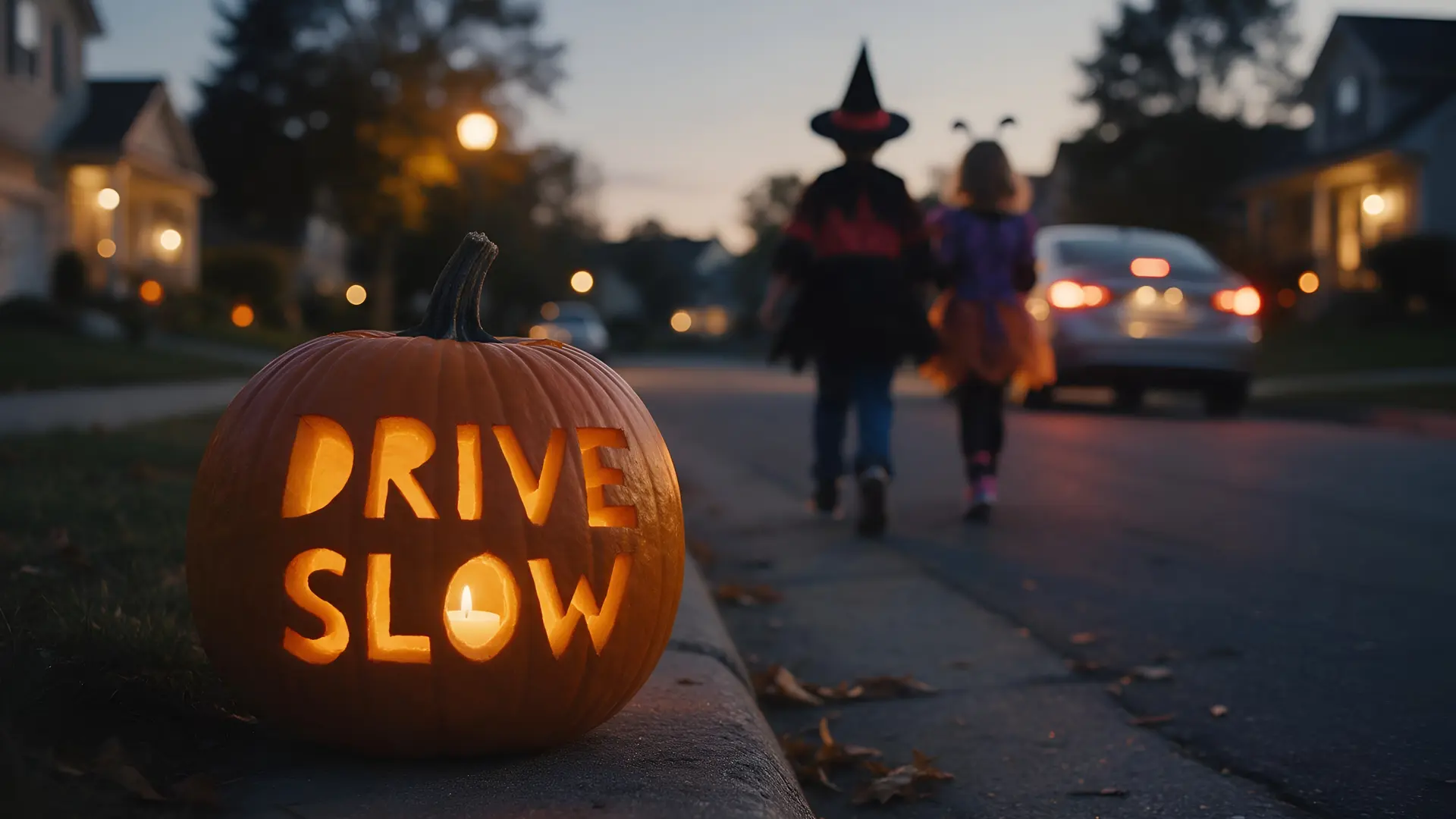
Halloween Driving Safety: Slow Down, Look Ahead, and Expect the Unexpected
Halloween is an exciting night for children and families. Porch lights glow, neighborhoods fill with costumes, and trick-or-treaters move from house to house in the fading light. For drivers, Halloween requires something different: more attention, more patience, and...
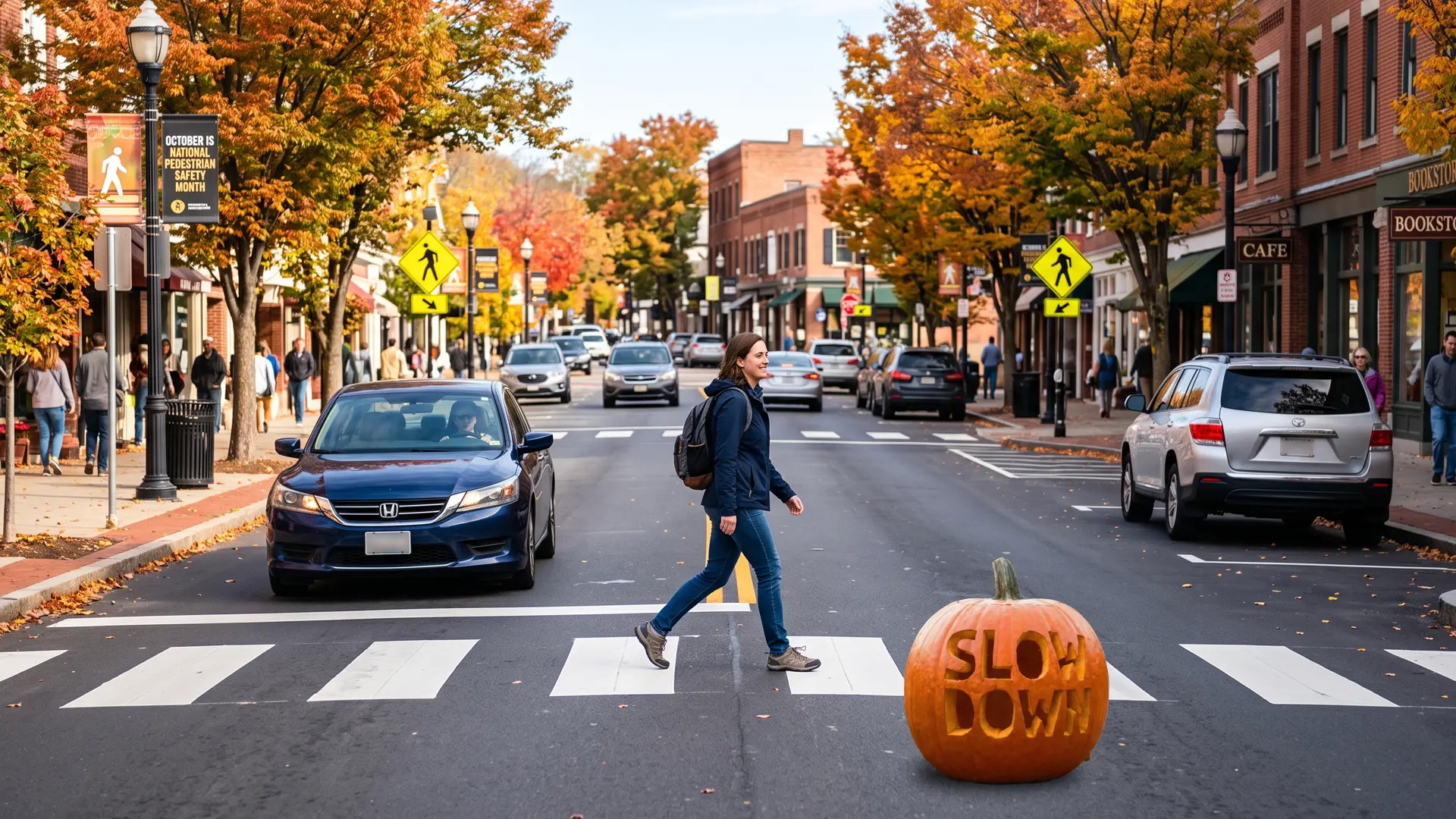
October Is National Pedestrian Safety Month — Here’s What Drivers Need to Know
October doesn't just mean cooler mornings and changing leaves. It's National Pedestrian Safety Month, and the roads carry more foot traffic than almost any other time of year — school pickup lines, sports practices, trick-or-treaters, and Halloween night itself. NHTSA...
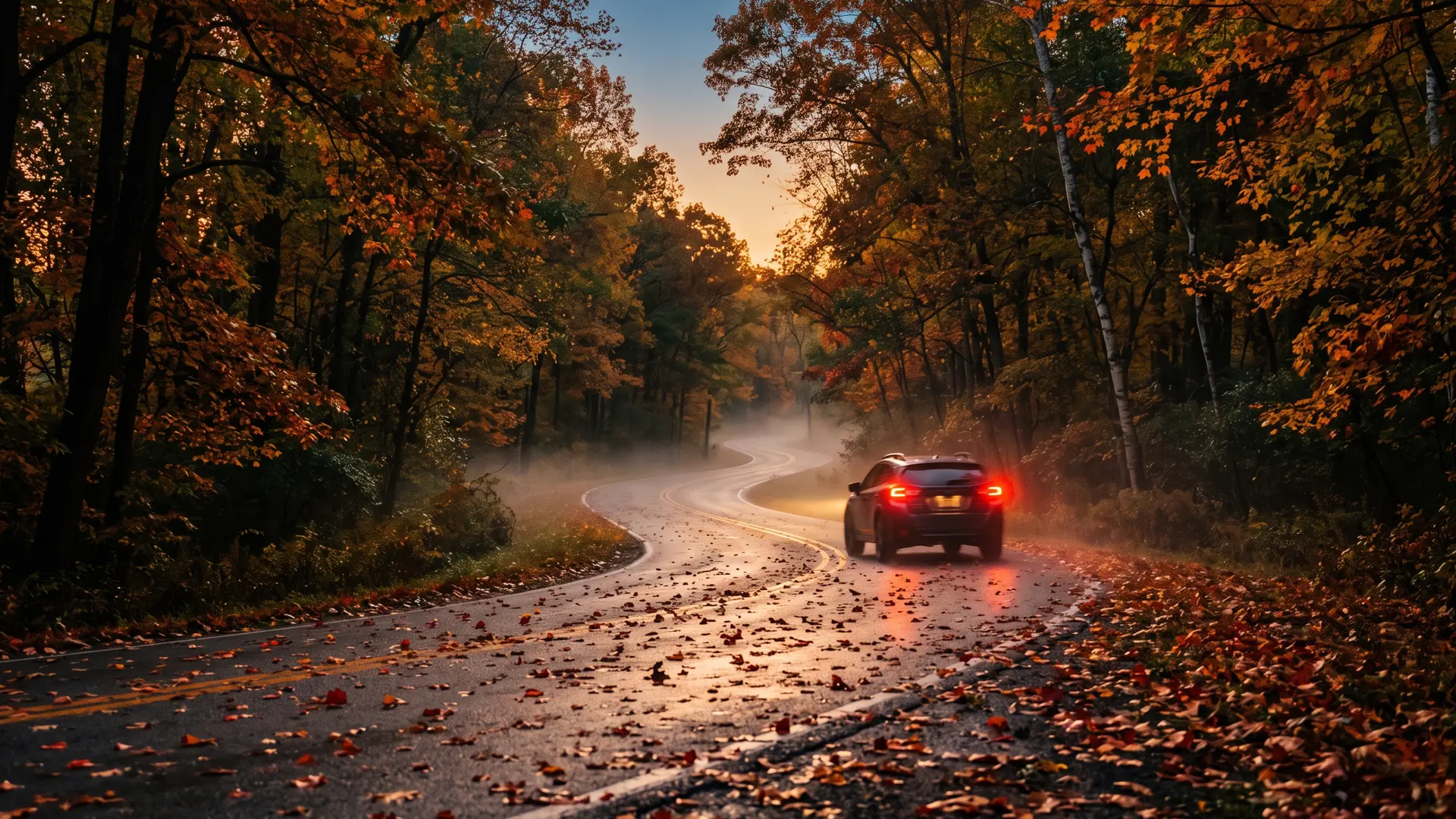
Fall Driving Safety Tips: 8 New Hazards Every Driver Needs to Know
The 100 Deadliest Days are over. Fall driving risk is just getting started. As the school-year routine settles in and the 100 Deadliest Days of Summer fade into the rearview mirror, it's tempting to assume the riskiest stretch of the driving year is behind us. It...