
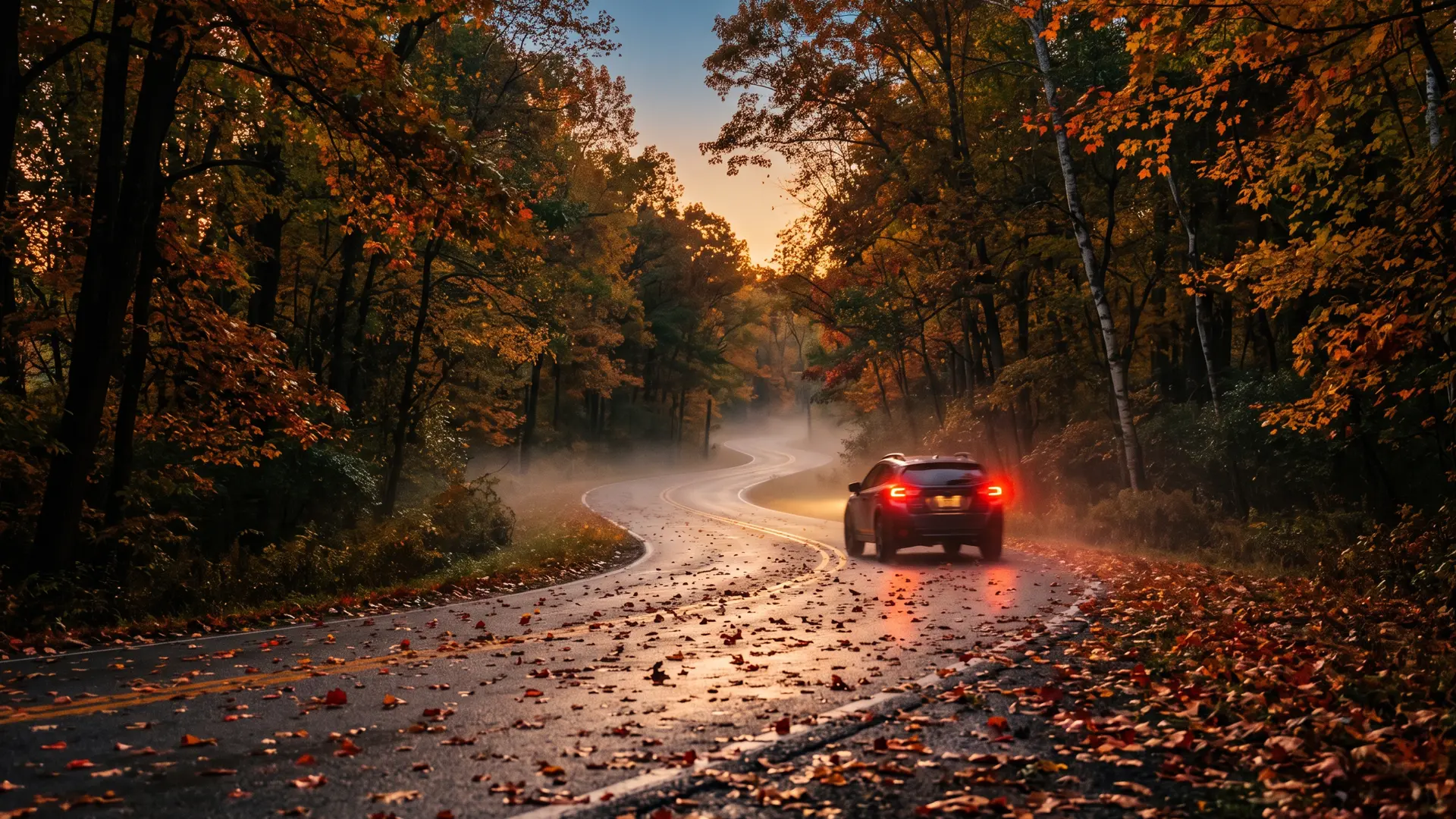
The 100 Deadliest Days are over. Fall driving risk is just getting started.
As the school-year routine settles in and the 100 Deadliest Days of Summer fade into the rearview mirror, it's tempting to assume the riskiest stretch of the driving year is behind us. It isn't. Fall introduces its own hazard profile — wet leaves, earlier sunsets, fog, glare, school-zone traffic, and a sharp seasonal spike in deer activity — and drivers who don't adjust their habits carry summer-level speed and following distance into conditions that no longer support them.
For fleet drivers, commercial operators and everyday commuters alike, the lesson is the same: the speed limit doesn't change with the season, but the *risk environment* does. The safest driver on the road this fall won't be the one who drives the fastest or the most confidently — it'll be the one who recognizes when conditions demand a different approach and adjusts before the hazard, not during it.
Below are eight seasonal shifts every driver should build into their fall routine, plus what DriveTeam's instructors recommend for each.
1. Why Are Wet Leaves So Dangerous for Drivers?
Dry leaves are mostly a visibility problem — they can hide lane markings, potholes and roadway debris. Once those same leaves get wet, they become a traction problem. AAA has warned that a layer of wet leaves can reduce tire grip to a degree comparable with ice, and the danger multiplies for drivers who are following too closely, braking hard, or carrying speed into a curve.
What to do: Slow down *before* you reach a leaf-covered stretch of road, not after your tires are already on it. Increase following distance and keep steering, braking and acceleration inputs smooth. Less traction means less margin for error — so build the margin back in yourself.
2. Why Should You Drive Slower at Night in the Fall?
Fall's earliest — and easiest to miss — change is simply that the sun sets sooner. Drivers who spent the summer commuting home in daylight are, almost without noticing, now doing it in darkness.
NHTSA has specifically flagged the shorter days and earlier sunsets that arrive each fall as a reason for extra vigilance around pedestrians and children, especially near school zones and bus stops. Darkness makes it harder to see pedestrians, cyclists, animals, disabled vehicles, road debris and vehicles without working lights — and your headlights only illuminate a fraction of the roadway ahead. Speed has to match what you can actually see, not what the posted limit allows.
What to do: Slow down for the darkness, not just the speed limit. Confirm headlights, taillights, turn signals and brake lights are clean and functioning. In Ohio, headlights are legally required from sunset to sunrise, and any time wipers are running due to precipitation.
3. What Should You Do When Driving in Fog?
Cooling temperatures and shifting humidity make fall mornings prone to fog, particularly near water, low-lying terrain and rural roads. Fog's core danger is that it strips away information — you simply can't see as far ahead, so every input needs more time and space behind it.
What to do: Slow down, increase following distance, and use low-beam headlights rather than high beams (Ohio's driver-training curriculum recommends low beams specifically for fog, rain and snow, since high beams reflect back off the moisture and worsen visibility). Avoid sudden braking or steering, look farther ahead for changing conditions, and expect traffic around you to be moving slower than you'd like. The goal isn't to beat the fog — it's to give yourself enough time to react to whatever you can actually see.
4. How Do You Avoid Deer Collisions This Season?
Deer are arguably the single most important fall hazard for Ohio drivers. Fall is peak mating season, and AAA reports that deer-vehicle collisions climb sharply from October through December, with November and December carrying the highest risk. Ohio traffic safety data identifies fall and winter as the peak season for deer-related crashes, with more than 22,000 reported deer-related crashes in Ohio every year.
Where to be most alert: dawn, dusk and after dark; rural roads, wooded areas, fields, waterways, and anywhere deer-crossing signs are posted. And remember — deer travel in groups, so one deer in the road means others are likely close behind.
What to do if a deer enters the roadway: Don't swerve. AAA and Ohio safety guidance both recommend braking firmly and staying in your lane if a collision becomes unavoidable. A last-second swerve to avoid a deer is far more likely to cause a serious loss-of-control crash than the deer strike itself. Look. Brake. Stay in your lane.
5. How Do Sun Glare and a Dirty Windshield Affect Fall Driving?
Shorter days also mean a lower sun angle — which puts direct glare into your field of vision during the morning and afternoon commute far more often than in summer. A dirty windshield turns manageable glare into a genuine blind spot.
What to do: Clean the windshield inside and out, top off washer fluid, and replace worn wiper blades before you need them, not after. Keep sunglasses in the car, use your sun visor, and slow down when glare meaningfully reduces what you can see. If you can't see clearly, you can't make a clear decision.
6. What Should Drivers Watch for Near School Zones This Fall?
Fall also means more people are on and around the roadway: buses, students walking to school, parents in drop-off lines, cyclists, and heavier morning and afternoon commute traffic. A route you've driven all summer without incident can create complacency — and complacency is what makes drivers stop actively scanning for hazards they'd otherwise catch.
What to do: Treat school zones, bus stops and residential streets as active-hazard zones during commute windows, even on routes you know well. Familiarity is not the same as safety.
7. How Do You Prepare Your Vehicle for Fall Driving?
Fall is the natural checkpoint for a pre-winter readiness check:
- Tires: check pressure, tread depth and uneven wear; temperature swings affect pressure, and tread matters more as wet-weather driving increases.
- Windshield & wipers: confirm wipers clear properly, washer fluid is full, and there are no cracks or chips.
- Lights: headlights, brake lights, turn signals, hazards and taillights should all be checked and working.
- Defroster: confirm it works now. A fogged or frosted windshield isn't an inconvenience; it's a visibility failure waiting to happen.
8. Why Does Fall Weather Change So Fast — and What Should You Do About It?
A 50-degree, clear-sky morning commute can end in rain, fog, or temperatures near freezing by the drive home. Bridges and overpasses are exposed to cold air from above and below, so they can ice over before the rest of the roadway does — AAA recommends extra caution on these surfaces as fall temperatures drop. Professional and fleet drivers should be especially attentive here, since stopping distance and handling vary significantly by vehicle weight and load.
The rule of thumb: don't drive based on what the weather was an hour ago. Drive based on what the road is telling you right now.
What Is a Safe Following Distance in Fall Conditions?
Reduced traction from wet leaves, fog-limited visibility and unpredictable deer movement all point to the same fix: more space. A safe following distance gives you the time to react that fall conditions take away. If summer had you comfortable at a two-second gap, fall is the season to widen it.
The Bigger Lesson: Fall Driving Is About Adjusting, Not Reacting
Fall driving doesn't require a new skill set — it requires recognizing changing risk and adjusting decisions before the hazard, not during it. Before you pull out of the driveway, run through it:
- Can I see clearly?
- Do I have enough space?
- Do I have enough traction
- Could there be a deer around the next curve?
- Am I driving too fast for what I can actually see?
- What happens if the vehicle ahead stops suddenly?
Those questions build the one thing every driver needs heading into fall: a bigger margin for error.
The 100 Deadliest Days may be over, but safe driving doesn't have a season. The habits that matter in summer — eliminating distractions, managing speed, maintaining space, anticipating hazards — matter just as much now. Fall is simply the next opportunity to practice them.
Slow down when conditions change. Look farther ahead. Increase following distance. Prepare your vehicle. And never let a familiar road create a false sense of security.
The seasons change. Our driving should change with them.
At DriveTeam, our mission is to increase the Knowledge, Skills and Decision Making of every driver we train — because good drivers don't just react to hazards. They anticipate them. If your team's ProDrivers face fall and winter conditions on the job, DriveTeam's hands-on skid-vehicle training and Corporate Winter Skills Clinic build exactly the reflexes this article describes — under controlled, real conditions, not just on paper. [Learn more about our Corporate Division →
Related reading: Near Misses & Defensive Driving: Lessons to Prevent the Next Crash
Frequently Asked Questions
What should you do when driving in fog?
Slow down, increase your following distance, and use low-beam headlights rather than high beams — high beams reflect off fog and reduce visibility further. Avoid sudden braking or steering, and expect surrounding traffic to be moving slower than usual.
Why should you drive slower at night in the fall?
Fall's earlier sunsets push more of the commute into darkness, when it's harder to see pedestrians, cyclists, animals and road debris. Your headlights only illuminate a limited stretch of road, so speed needs to match your visibility — not just the posted limit.
How do you avoid deer collisions in the fall?
Stay alert at dawn, dusk and after dark, especially on rural roads, near wooded areas and where deer-crossing signs are posted. If a deer enters the roadway, brake firmly and stay in your lane rather than swerving — a swerve is more likely to cause a serious crash than the deer strike itself.
Are wet leaves really as slippery as ice?
AAA has compared the traction loss from wet leaves to that of ice. Reduce speed before reaching leaf-covered pavement and avoid hard braking or sudden steering inputs once you're on it.
What is a safe following distance in fall driving conditions?
Reduced traction and visibility both call for more space than you'd use in summer. If a two-second gap felt sufficient before, fall conditions are the reason to widen it — see DriveTeam's full breakdown of the four-second rule for a concrete method.
When are deer most active on Ohio roads?
Fall is peak deer mating season, and AAA and Ohio traffic safety data both identify October through December — especially November and December — as the highest-risk window for deer-vehicle collisions in Ohio.
More From Our Blog
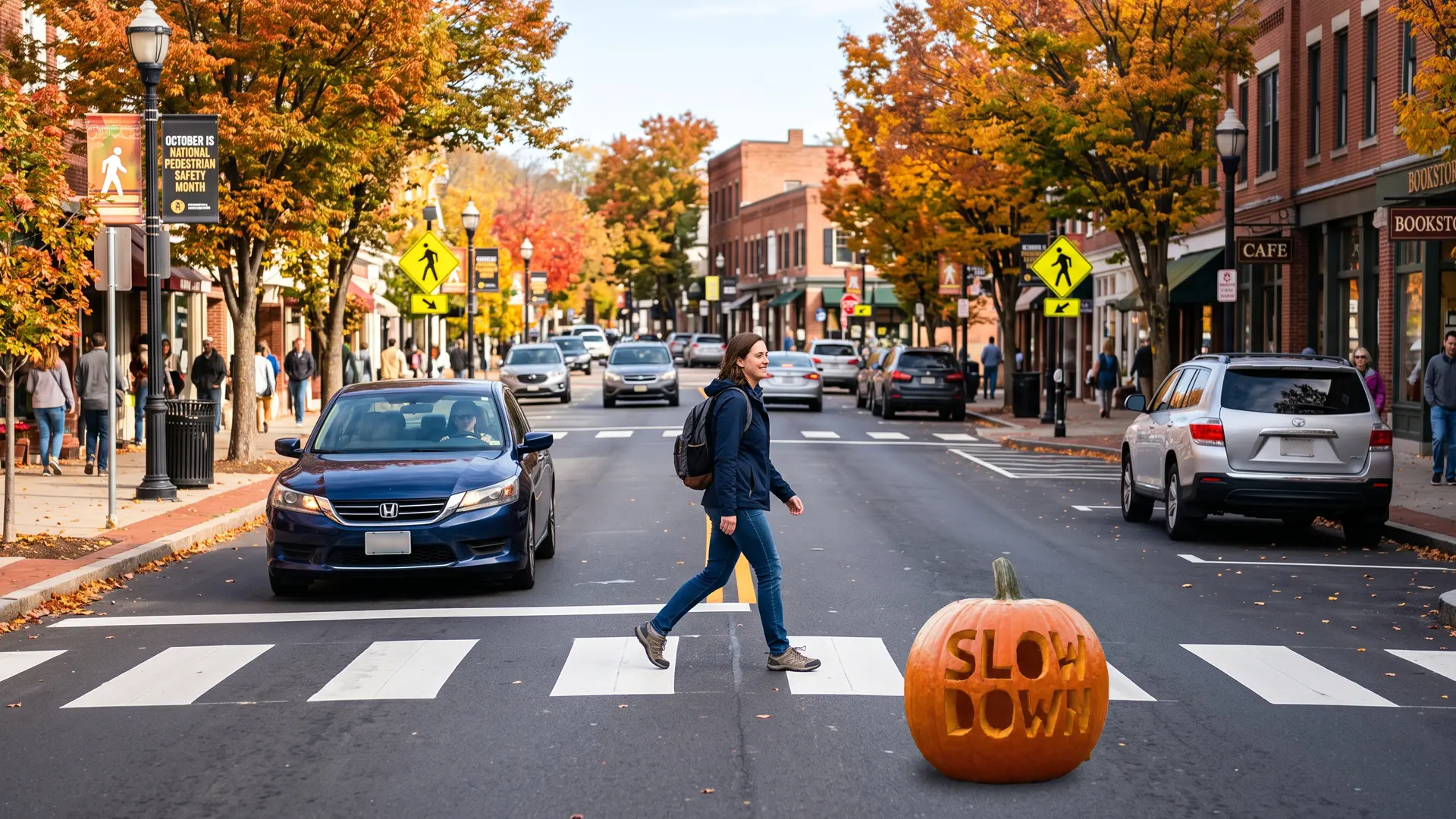
October Is National Pedestrian Safety Month — Here’s What Drivers Need to Know
October doesn't just mean cooler mornings and changing leaves. It's National Pedestrian Safety Month, and the roads carry more foot traffic than almost any other time of year — school pickup lines, sports practices, trick-or-treaters, and Halloween night itself. NHTSA...
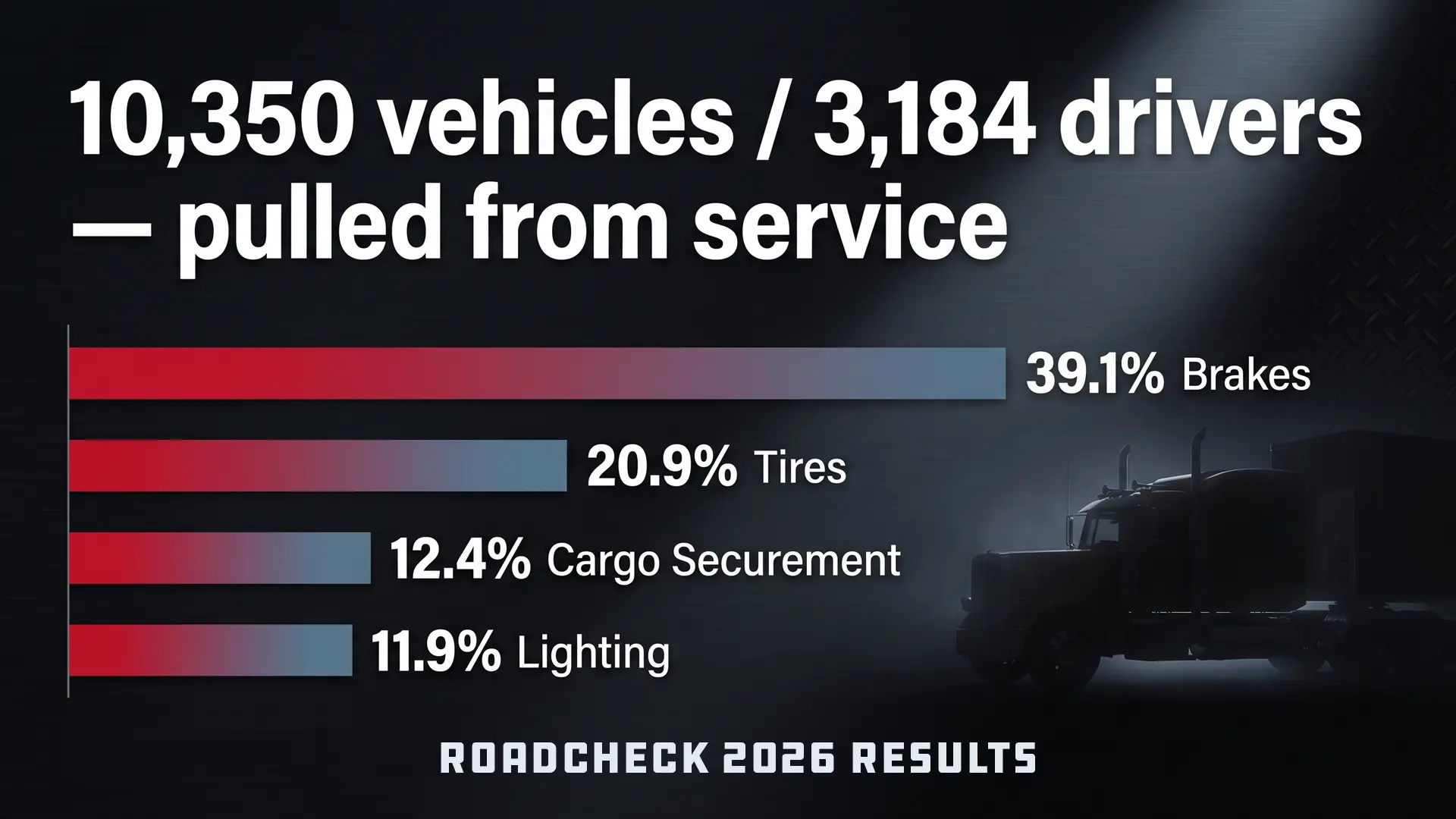
Roadcheck 2026 Results: What 10,000 Grounded Trucks Reveal About Your Fleet’s Risk
During this year's three-day International Roadcheck, certified inspectors conducted 54,575 roadside inspections across the U.S., Canada, and Mexico — and sidelined 10,350 commercial motor vehicles and 3,184 drivers for safety violations serious enough to warrant an...
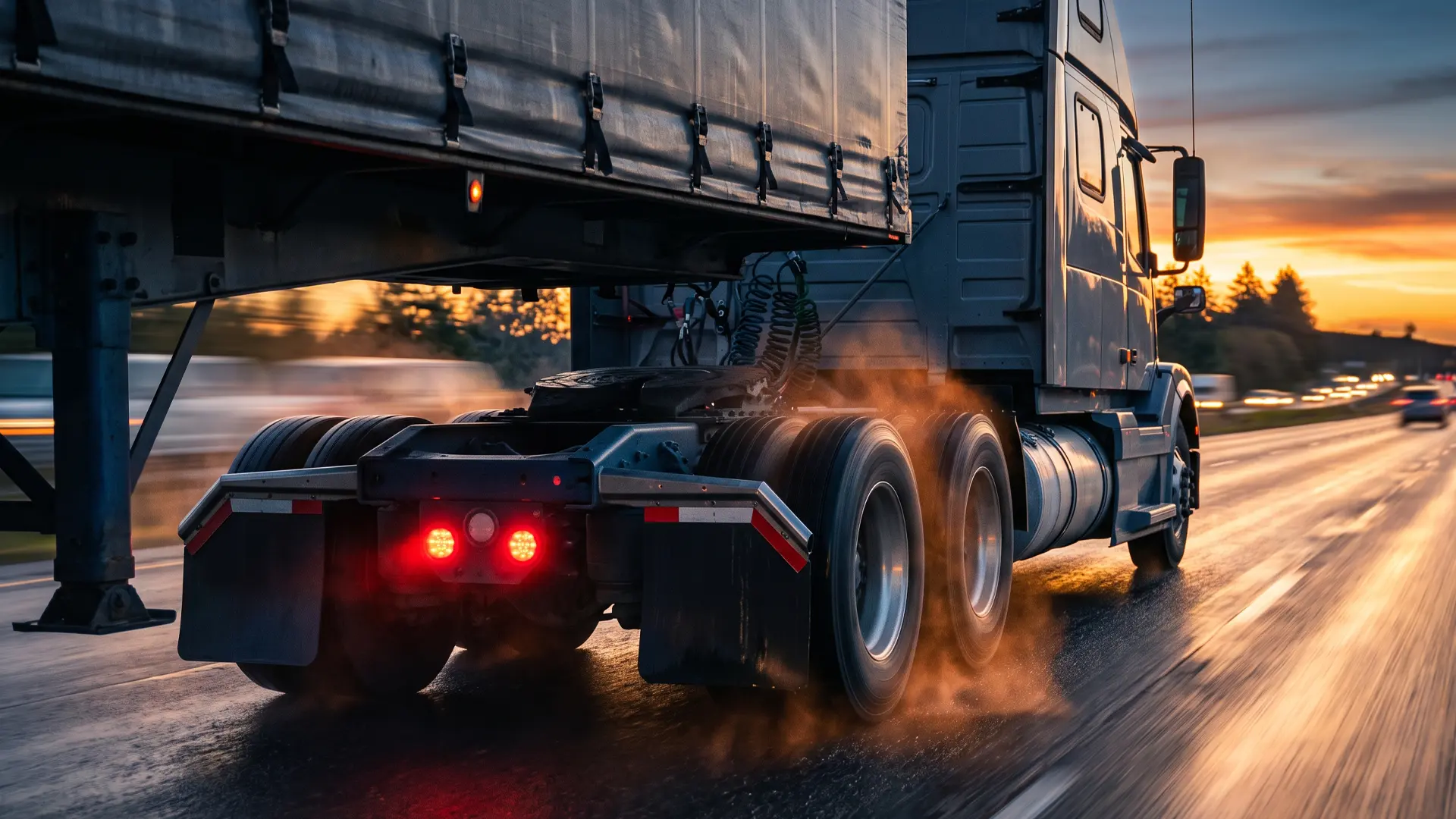
Brake Safety Isn’t a One-Week Event: What Fleet Managers Should Take from CVSA’s Brake Safety Week
Brake Safety Week Ends August 29. Brake Safety Doesn't. Every year, the Commercial Vehicle Safety Alliance's Brake Safety Week puts a spotlight on one of the most consistent causes of commercial vehicle out-of-service violations: brakes. For seven days, inspectors...