

Your First Safety Decision Happens Before You Turn the Key
Why Vehicle Inspections and Pre-Trip Inspections Matter
Every safe trip begins long before a vehicle leaves the parking lot.
Whether you're driving your personal vehicle to work or operating an 80,000-pound commercial motor vehicle across the country, one of the most important safety habits is taking the time to inspect your vehicle before you begin your journey.
A few minutes spent identifying a problem before you drive can prevent hours of delays, thousands of dollars in repairs, and, most importantly, injuries or fatalities.
At DriveTeam, we believe that the first safety decision a driver makes is deciding to inspect the vehicle before putting it in motion.
Why Inspections Matter
Vehicles experience wear every time they're driven.
- Tires lose air pressure.
- Brakes wear down.
- Lights burn out.
- Fluids leak.
- Suspension components loosen.
Small issues often develop gradually and can easily go unnoticed — until they become major problems.
A thorough inspection helps drivers identify these issues before they create dangerous situations on the road.
Commercial Drivers Carry an Even Greater Responsibility
Commercial drivers don't just operate larger vehicles — they carry greater responsibility.
Every trip may involve:
- Tens of thousands of pounds of cargo
- Long hours on the road
- Complex traffic environments
- Tight delivery schedules
- Sharing the road with families, school buses, and commuters
Because of these responsibilities, the Federal Motor Carrier Safety Administration (FMCSA) requires commercial drivers to conduct pre-trip inspections to help ensure vehicles are safe to operate.
A pre-trip inspection isn't simply a regulatory requirement. It's a commitment to protecting lives. DriveTeam's FMCSR training program builds this discipline into daily habit — not just compliance paperwork.
Vehicle Inspection Checklist: What to Check Before Every Trip
Use this quick-reference checklist before every trip, personal or commercial:
Exterior
- [ ] Tire condition, tread depth, and inflation
- [ ] Wheels, rims, and lug nuts
- [ ] Lights and reflectors (headlights, brake lights, turn signals, hazards)
- [ ] Mirrors and windshield (cracks, chips, obstructions)
- [ ] Windshield wipers and washer fluid
- [ ] License plates and required decals
Under the Hood / Fluids
- [ ] Oil level
- [ ] Coolant level
- [ ] Brake fluid
- [ ] Power steering fluid
- [ ] Visible leaks (oil, fuel, coolant)
Brakes & Steering
- [ ] Brake pedal feel and travel
- [ ] Air brake system and air leaks (commercial vehicles)
- [ ] Steering play and response
- [ ] Suspension components
Cargo & Coupling (Commercial Vehicles)
- [ ] Cargo securement and load balance
- [ ] Coupling devices, fifth wheel, and kingpin
- [ ] Trailer connections and air/electrical lines
Safety Equipment
- [ ] Fire extinguisher
- [ ] Reflective triangles/warning devices
- [ ] First aid kit
- [ ] Spare fuses and bulbs
If anything on this list seems off, investigate before you drive.
What Can a Pre-Trip Inspection Prevent?
Many mechanical failures begin as small problems that could have been identified during an inspection. A proper pre-trip inspection may reveal:
- Underinflated or damaged tires
- Brake defects
- Air leaks
- Steering or suspension issues
- Inoperative lights
- Windshield damage
- Fluid leaks
- Loose cargo securement
- Coupling problems
- Worn or damaged safety equipment
Finding these issues before departure helps prevent roadside breakdowns and crashes.
A Good Inspection Protects Everyone
Pre-trip inspections benefit more than just the driver. They protect:
- The driver
- Passengers
- Other motorists
- Pedestrians
- Employers
- The company's reputation
One overlooked defect can affect countless lives.
The Cost of Skipping an Inspection
When drivers skip inspections because they're in a hurry, the consequences can be significant. Possible outcomes include:
- Vehicle breakdowns
- Costly repairs
- Missed deliveries
- Roadside inspections
- Out-of-service violations
- Increased insurance costs
- Serious crashes
Taking 15–20 minutes before a trip is far less costly than dealing with the consequences of a preventable mechanical failure. DriveTeam's Corporate clients see this play out in their numbers — fleets that build inspection discipline into daily operations are part of the same safety culture behind our 35%+ average reduction in crash rates.
More Than a Checklist
A quality pre-trip inspection is more than checking boxes on a form. It requires drivers to ask:
- Does this vehicle appear safe?
- Is anything different from yesterday?
- Are all safety systems functioning properly?
- Is the cargo properly secured?
- Am I confident this vehicle is ready for today's trip?
Experienced drivers develop the habit of paying attention to small details before they become major problems.
The Driver Is the Last Line of Defense
Maintenance teams play a critical role in keeping vehicles roadworthy, but they aren't with the vehicle every day. The driver is.
Drivers notice:
- New noises
- Changes in braking
- Steering concerns
- Tire damage
- Warning lights
- Air leaks
- Vibrations
Reporting these issues early allows repairs to be made before they become safety hazards.
Build a Habit of Looking
Every driver should develop the habit of walking completely around the vehicle before every trip. Look for:
- Tire condition and inflation
- Lights and reflectors
- Fluid leaks
- Windshield and mirrors
- Windshield wipers
- License plates
- Cargo security
- Coupling devices (commercial vehicles)
- Safety equipment
- Anything that simply "doesn't look right"
If something seems unusual, investigate it before driving.
Safety Starts Before the Wheels Turn
One of DriveTeam's core beliefs is that good decisions prevent crashes. Choosing to inspect your vehicle is one of the first — and most important — good decisions you can make each day.
Professional drivers understand that arriving safely begins with preparation. The few minutes invested in a thorough pre-trip inspection can prevent mechanical failures, protect lives, reduce downtime, and reinforce the professionalism that keeps America's roadways moving safely.
Before you turn the key, take the time to look. Because the safest trip is the one that starts with a vehicle that's ready for the road.
Ready to build a fleet-wide inspection culture?
DriveTeam's Corporate training programs — including FMCSR and Load Securement — turn pre-trip discipline into a measurable part of your fleet safety program. Talk to our Corporate team →
Frequently Asked Questions
What is a pre-trip inspection?
A pre-trip inspection is a systematic check of a vehicle's critical systems — tires, brakes, lights, fluids, steering, and cargo securement — completed before a trip begins to confirm the vehicle is safe to operate.
What does a pre-trip inspection check?
A pre-trip inspection checks tire condition and inflation, brake function, lights and reflectors, steering and suspension, fluid levels and leaks, windshield and mirrors, cargo securement, and — for commercial vehicles — coupling devices and air brake systems.
How long does a pre-trip inspection take?
A thorough pre-trip inspection typically takes 15–20 minutes, depending on vehicle type and cargo configuration.
Is a pre-trip inspection required by law?
Yes, for commercial drivers. The FMCSA requires commercial motor vehicle operators to complete a pre-trip inspection before every trip to confirm the vehicle is safe and compliant.
What happens if you skip a pre-trip inspection?
Skipping a pre-trip inspection increases the risk of roadside breakdowns, out-of-service violations, missed deliveries, higher insurance costs, and preventable crashes.
Who is responsible for conducting a pre-trip inspection?
The driver is responsible for conducting the pre-trip inspection. While maintenance teams service the vehicle periodically, the driver is the last line of defense who sees the vehicle daily and can catch new or developing issues.
More From Our Blog

October Is National Pedestrian Safety Month — Here’s What Drivers Need to Know
October doesn't just mean cooler mornings and changing leaves. It's National Pedestrian Safety Month, and the roads carry more foot traffic than almost any other time of year — school pickup lines, sports practices, trick-or-treaters, and Halloween night itself. NHTSA...

Fall Driving Safety Tips: 8 New Hazards Every Driver Needs to Know
The 100 Deadliest Days are over. Fall driving risk is just getting started. As the school-year routine settles in and the 100 Deadliest Days of Summer fade into the rearview mirror, it's tempting to assume the riskiest stretch of the driving year is behind us. It...
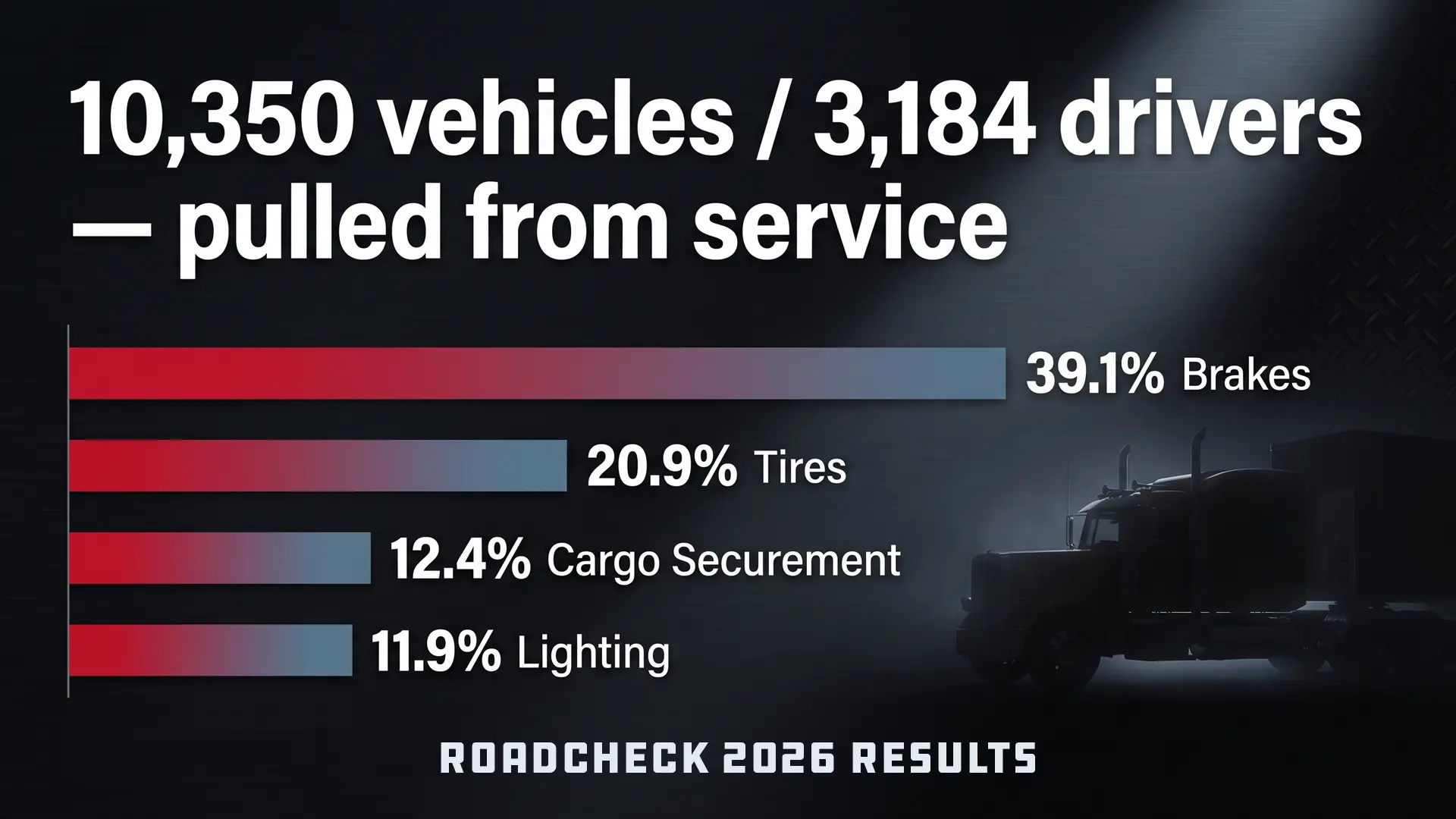
Roadcheck 2026 Results: What 10,000 Grounded Trucks Reveal About Your Fleet’s Risk
During this year's three-day International Roadcheck, certified inspectors conducted 54,575 roadside inspections across the U.S., Canada, and Mexico — and sidelined 10,350 commercial motor vehicles and 3,184 drivers for safety violations serious enough to warrant an...