

The Fourth of July is one of the most dangerous days on American roads. Between 2020 and 2024, 2,719 people were killed in motor vehicle crashes during the Independence Day holiday period — and in 2024 alone, 579 lives were lost. Safe driving during holiday weekends requires more than good intentions. It requires deliberate decision-making before and during every trip.
At DriveTeam, we teach that crash prevention starts with the driver — not the vehicle. Here's what you need to know to protect yourself and your family this Fourth of July weekend.
Why Is the Fourth of July So Dangerous for Drivers?
The Independence Day holiday consistently ranks among the most dangerous travel periods of the year. Three factors converge to create a uniquely hazardous driving environment:
- Dramatically increased traffic volume across all major corridors
- A sharp rise in alcohol-impaired driving — 38% of drivers killed during the Fourth of July holiday period are alcohol-impaired
- More pedestrians, cyclists, and distracted drivers sharing roadways simultaneously
This window — stretching from July 4th through the weekend — falls within what safety professionals call the "100 Deadliest Days": the period between Memorial Day and Labor Day when teen driver fatalities spike and overall road risk climbs nationwide.
What Is the Most Important Capability for Safe Driving?
Sound judgment — the ability to perceive risk and make the right decision under pressure — is the most important capability for safe driving. Modern vehicles are equipped with impressive technology: automatic emergency braking, lane departure warnings, adaptive cruise control. None of it replaces a driver who's paying attention, thinking ahead, and making good decisions.
The most important safety feature in any vehicle is the person behind the wheel.
How to Drive Safely During Holiday Weekends: 5 Decisions That Matter
Safe driving on the Fourth of July isn't about any single action — it's about a chain of decisions, made consistently, from the moment you leave the driveway.
1. Plan Before You Leave
Holiday travel means more vehicles, unfamiliar drivers, and heavier traffic on roads that weren't designed for it. Check your route before departure. Allow extra travel time. Expect delays and have an alternate route ready. The driver who plans is the driver who stays calm when conditions deteriorate.
2. Eliminate Distractions Before You Shift Into Drive
One glance at your phone — even a quick one — takes your eyes off the road long enough to miss a developing hazard. Put your phone away before you move. Set your navigation, adjust your mirrors, and settle your passengers before you ever touch the shifter. A distracted driver is a delayed driver, and delayed reaction times kill.
3. Give Yourself Space — At Least Four Seconds
Maintain at least a four-second following distance and expand it whenever traffic thickens, visibility drops, or conditions worsen. Space gives you time. Time gives you options. The drivers who avoid crashes aren't the ones with the fastest reflexes — they're the ones who never needed them.
4. Drive Sober — No Exceptions
If your Fourth of July plans include alcohol, arrange a sober ride before the celebration begins. Don't assume you're "okay to drive." Alcohol impairs judgment before it impairs your ability to feel impaired — which means the drivers most at risk are often the ones most confident they're fine.
During the Fourth of July holiday period, **38% of driver fatalities involve alcohol impairment**. Plan your safe ride home the same way you plan your cookout menu: before the day begins.
5. Expect the Unexpected — and Have an Escape Plan
Holiday weekends bring every category of driver onto the road at once: impaired drivers, distracted drivers, aggressive drivers, pedestrians, cyclists, and heavy traffic in unfamiliar configurations. Always have an escape path. Scan intersections before you enter them. Watch for brake lights well ahead of you.
The safest drivers aren't reacting to what's happening — they're responding to what's about to happen.
When Is It Safe to Drive After Drinking?
The only safe answer is when alcohol is fully metabolized from your system — which takes time and cannot be accelerated by coffee, water, food, or sleep. The liver processes roughly one standard drink per hour. If you've consumed several drinks over an evening, you may still be legally impaired the morning after.
The safest decision: don't drive after drinking at all. Rideshare services, designated drivers, and safe-ride programs exist for exactly this reason.
The Decisions That Protect You
Every safe trip is the result of hundreds of small decisions made correctly. Ask yourself before and during every drive:
- Should I leave earlier to avoid the heaviest traffic?
- Am I giving myself enough following distance?
- Is my phone away and out of reach?
- Am I driving at a speed appropriate for conditions — not just the speed limit?
- If I'm tired, should I take a break?
- If I've been drinking, should someone else drive?
The safest drivers consistently choose the safer option — even when it's inconvenient, even when they're running late, even when they're confident they could handle it either way.
How DriveTeam Teaches Safe Driving
At DriveTeam, we build safe drivers through Knowledge, Skills, and Decision Making — the three pillars that separate truly prepared drivers from those who simply passed a test.
Teen Driver Programs → driveteam.com/teen/
Corporate Fleet Training → driveteam.com/corp/
E.R.O.C. Police, Fire & EMS → driveteam.com/e-r-o-c/
Contact Us → driveteam.com/contact-us/
Crash prevention starts long before an emergency maneuver. It starts with the decisions you make every time you get behind the wheel.
Turning Driving Into a Skill
Frequently Asked Questions
How many people are killed in crashes during the Fourth of July holiday?
Between 2020 and 2024, 2,719 people were killed in motor vehicle crashes during the Fourth of July holiday period. In 2024 alone, 579 people lost their lives in holiday-period crashes, making Independence Day one of the most dangerous travel windows of the year.
What are the most important safe driving tips for holiday weekends?
The most important safe driving tips for holiday weekends are: (1) plan your route before departing, (2) eliminate phone and other distractions, (3) maintain at least a four-second following distance, (4) never drive after consuming alcohol, and (5) expect impaired or distracted drivers and always have an escape path ready.
Which capability is most important to safe driving?
Sound judgment — the ability to perceive developing hazards and make the correct decision under pressure — is the most important capability for safe driving. Technology assists; judgment protects. No vehicle safety system can substitute for a driver who is alert, focused, and making good decisions.
When is it safe to drive after drinking alcohol?
It is only safe to drive after alcohol has been fully metabolized from your system. The liver processes approximately one standard drink per hour, and this rate cannot be increased by coffee, food, water, or rest. If you have consumed multiple drinks, you may remain legally impaired well into the following morning. The safest choice is to not drive at all after drinking.
What are the 100 Deadliest Days of driving?
The 100 Deadliest Days refer to the period between Memorial Day and Labor Day when teen driver fatalities and overall road fatalities increase significantly compared to the rest of the year. The Fourth of July holiday falls at the peak of this window, combining high traffic volume with increased alcohol impairment and more vulnerable road users.
How many alcohol-related driving fatalities occur during holidays?
During the Fourth of July holiday period, approximately 38% of all driver fatalities involve alcohol impairment — significantly higher than the annual average. Holiday periods across the calendar consistently show elevated rates of alcohol-impaired driving fatalities compared to non-holiday periods.
If you drink alcohol socially, what helps ensure safe driving?
Nothing ensures safe driving after consuming alcohol except waiting until alcohol is fully metabolized. The only reliable options are arranging a designated driver before your event begins, using a rideshare service, or calling someone to pick you up. Time is the only factor that reduces blood alcohol content.
More From Our Blog
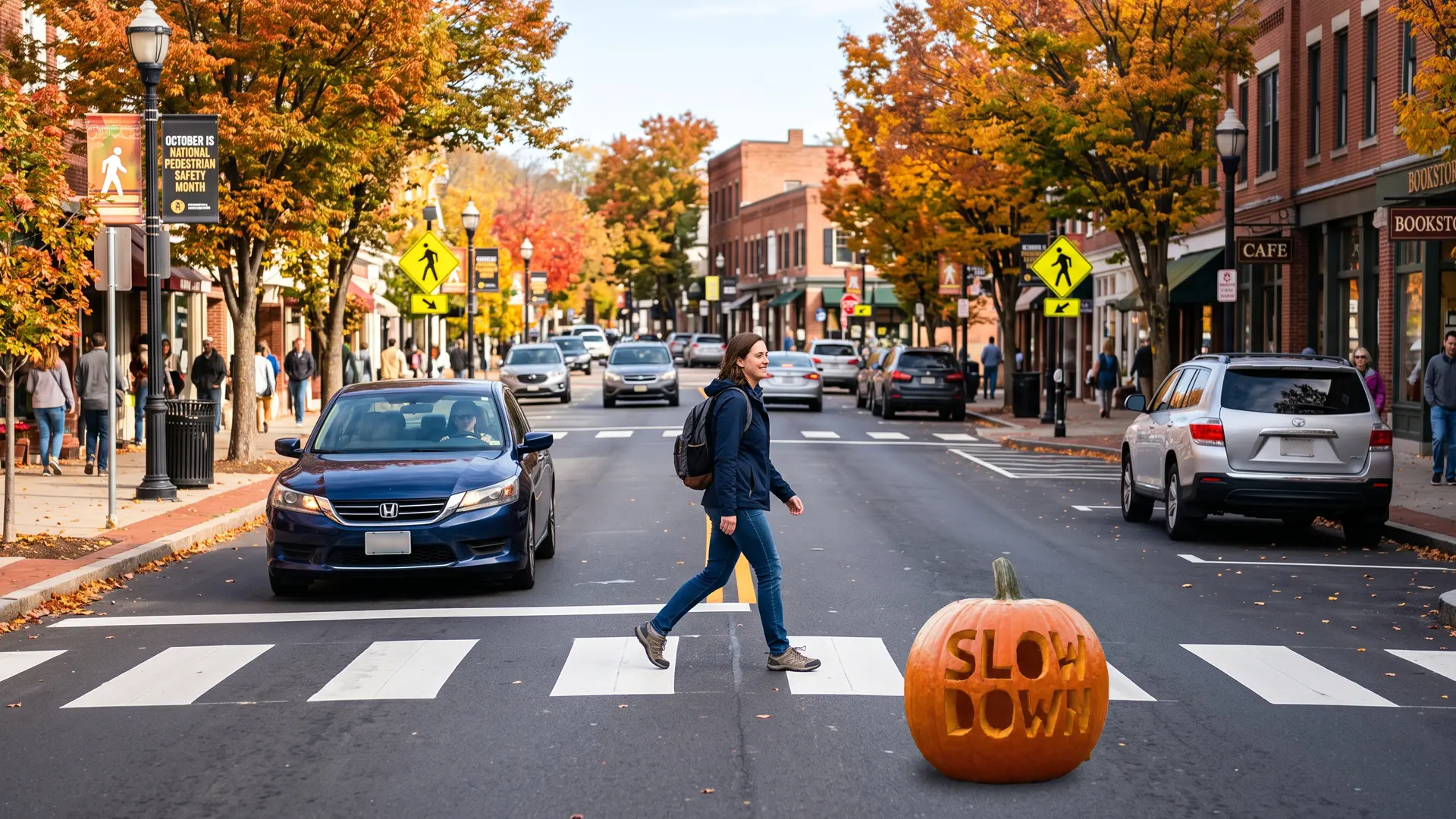
October Is National Pedestrian Safety Month — Here’s What Drivers Need to Know
October doesn't just mean cooler mornings and changing leaves. It's National Pedestrian Safety Month, and the roads carry more foot traffic than almost any other time of year — school pickup lines, sports practices, trick-or-treaters, and Halloween night itself. NHTSA...
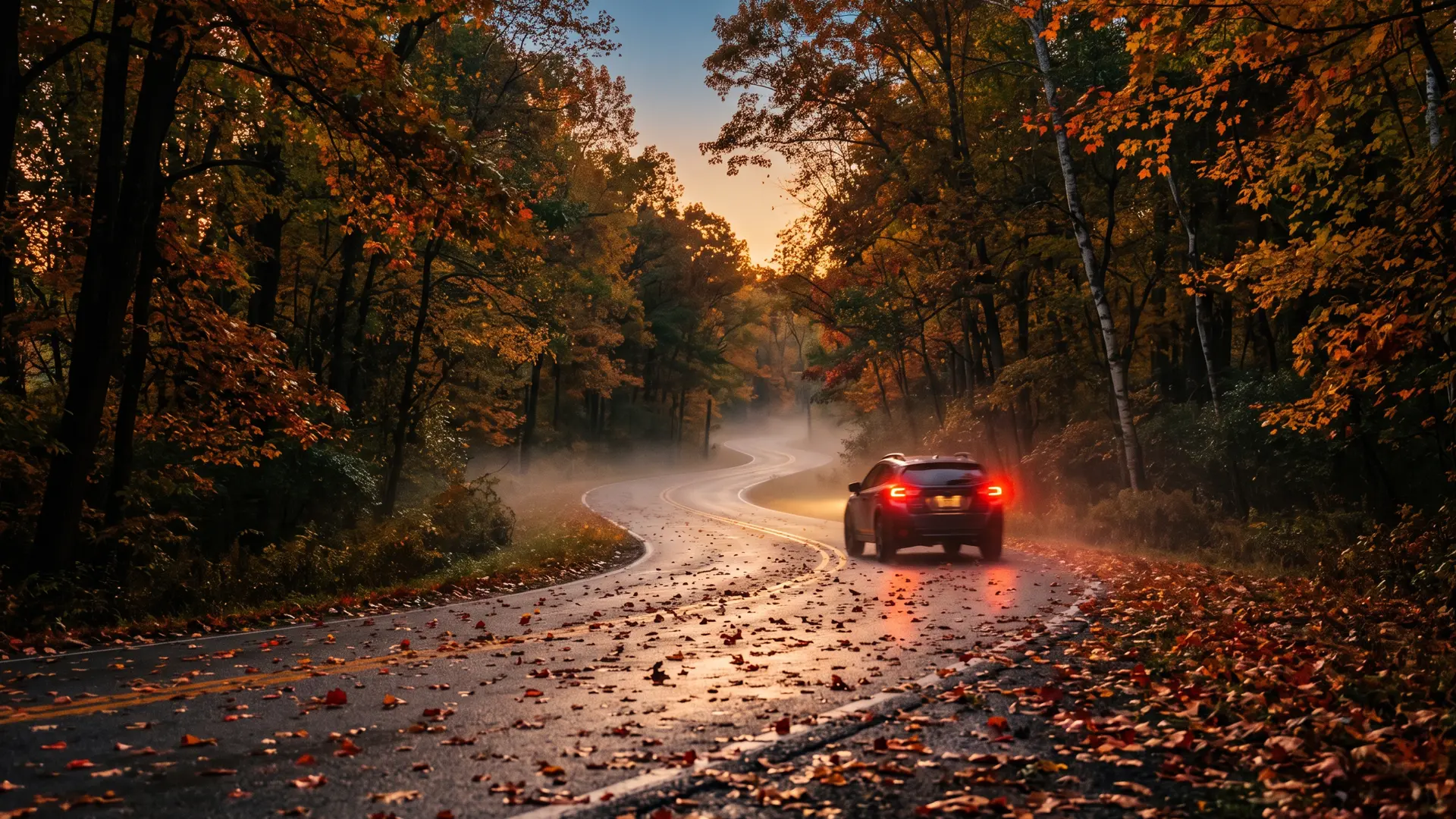
Fall Driving Safety Tips: 8 New Hazards Every Driver Needs to Know
The 100 Deadliest Days are over. Fall driving risk is just getting started. As the school-year routine settles in and the 100 Deadliest Days of Summer fade into the rearview mirror, it's tempting to assume the riskiest stretch of the driving year is behind us. It...
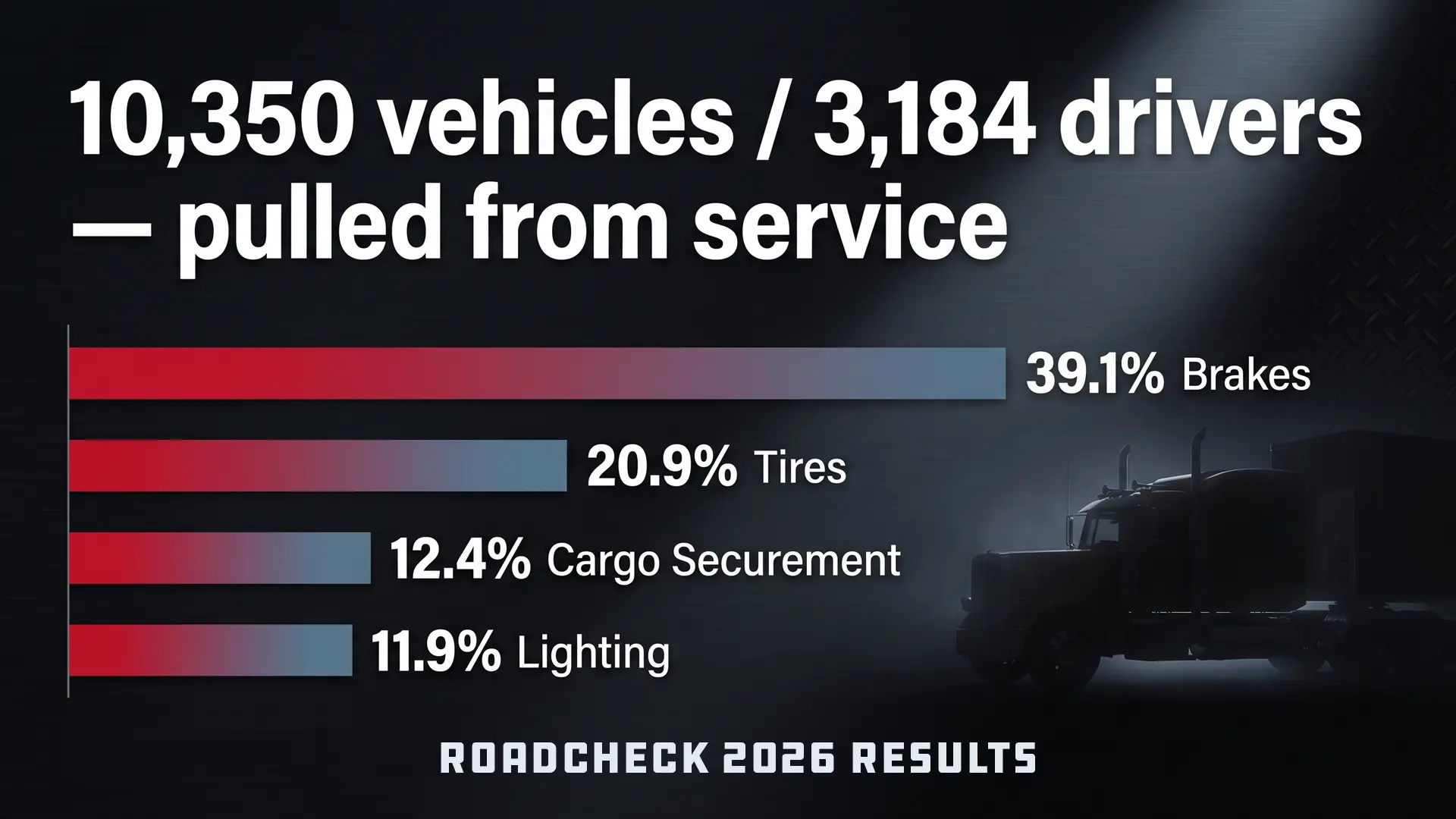
Roadcheck 2026 Results: What 10,000 Grounded Trucks Reveal About Your Fleet’s Risk
During this year's three-day International Roadcheck, certified inspectors conducted 54,575 roadside inspections across the U.S., Canada, and Mexico — and sidelined 10,350 commercial motor vehicles and 3,184 drivers for safety violations serious enough to warrant an...