
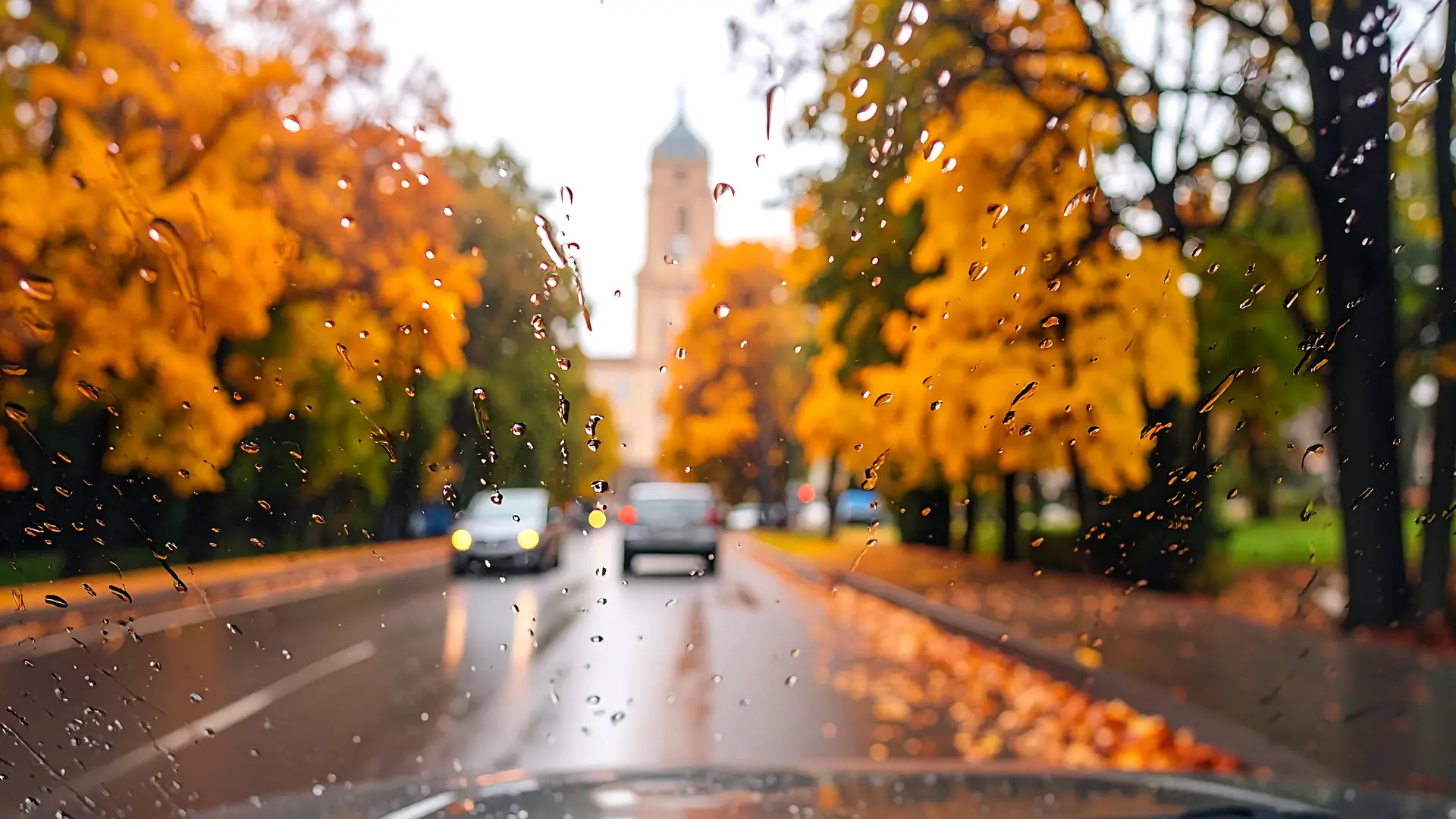
In this guide, we'll explore why extra caution matters during November driving, backed by key statistics, practical tips, and proactive strategies. Let's dive in and ensure you're ready for the road ahead.
Why November Driving Demands Extra Vigilance
One particularly dangerous window is between 4 p.m. and 8 p.m., when daylight fades and fatigue sets in. During colder, wetter months like November, this time frame sees heightened accident rates due to low light and changing road conditions. These factors make November driving a "risk multiplier," where even minor oversights can lead to major incidents.
Key Statistics on November Driving Hazards
To highlight the importance of preparation, consider these eye-opening stats on November driving:
- Wet Roads Dominate Risks: As mentioned, 74% of weather-related vehicle crashes happen on wet surfaces, far outpacing snow or ice-related incidents.
- Peak Danger Hours: The 4-8 p.m. period in fall and winter months accounts for a spike in accidents, driven by early sunsets and driver exhaustion.
- Beyond Snow: November driving hazards include slick roads from rain and leaves, reduced reaction times in low light, and increased wildlife activity.
These numbers prove that November driving safety isn't about waiting for winter—it's about addressing the subtle shifts that catch many drivers off guard.
Practical Tips for Safe November Driving
1. Vehicle Maintenance for November Conditions
2. Adapt Your Driving Habits
- Increase Following Distance: Wet pavement extends stopping times, so give yourself extra space.
- Reduce Speed: Stick below posted limits in rain, fog, or low light—safe speeds vary with conditions.
- Evening Caution: Be vigilant during the 4-8 p.m. high-risk window, using low beams in poor visibility rather than relying on daytime running lights.
- Stay Alert: Combat fatigue with regular breaks, especially on darker mornings and evenings.
3. Plan for Weather and Traffic Changes
For fleets, incorporate buffer time into schedules and train teams on November driving risks. Multi-vehicle collisions rise with increased volumes, so proactive planning is essential.
4. Watch for Hidden November Hazards
Don't overlook these often-ignored threats in November driving:
- Wildlife Activity: Deer and other animals are more active during fall mating seasons, peaking at dawn and dusk.
- Slippery Foliage: Wet leaves on roads can be as treacherous as ice—slow down on leafy stretches.
- Distractions and Fatigue: Changing routines and darker commutes heighten the need for focus; avoid multitasking behind the wheel.
Takeaway: Make November Driving Safer with DriveTeam
At DriveTeam, we're committed to proactive safety. Use this month as a "tune-up" opportunity: review your habits, maintain your vehicle, and educate your team. Our expert training programs equip drivers and fleets with the skills to handle November driving and beyond. Ready to enhance your safety game? Contact DriveTeam today for personalized guidance and prevent incidents before they happen.
Stay safe on the roads this November—drive smart, drive prepared.

More From Our Blog
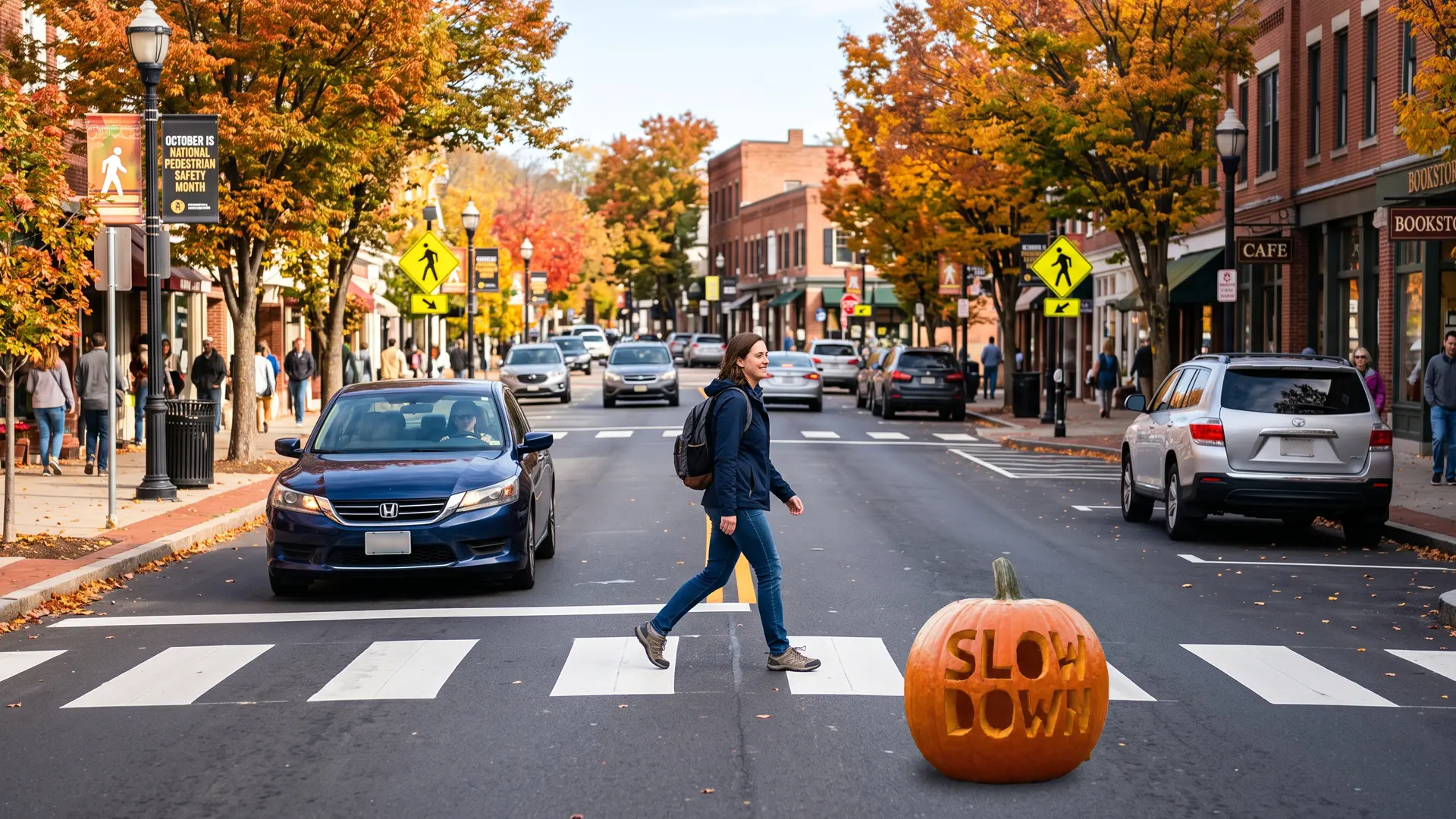
October Is National Pedestrian Safety Month — Here’s What Drivers Need to Know
October doesn't just mean cooler mornings and changing leaves. It's National Pedestrian Safety Month, and the roads carry more foot traffic than almost any other time of year — school pickup lines, sports practices, trick-or-treaters, and Halloween night itself. NHTSA...

Fall Driving Safety Tips: 8 New Hazards Every Driver Needs to Know
The 100 Deadliest Days are over. Fall driving risk is just getting started. As the school-year routine settles in and the 100 Deadliest Days of Summer fade into the rearview mirror, it's tempting to assume the riskiest stretch of the driving year is behind us. It...
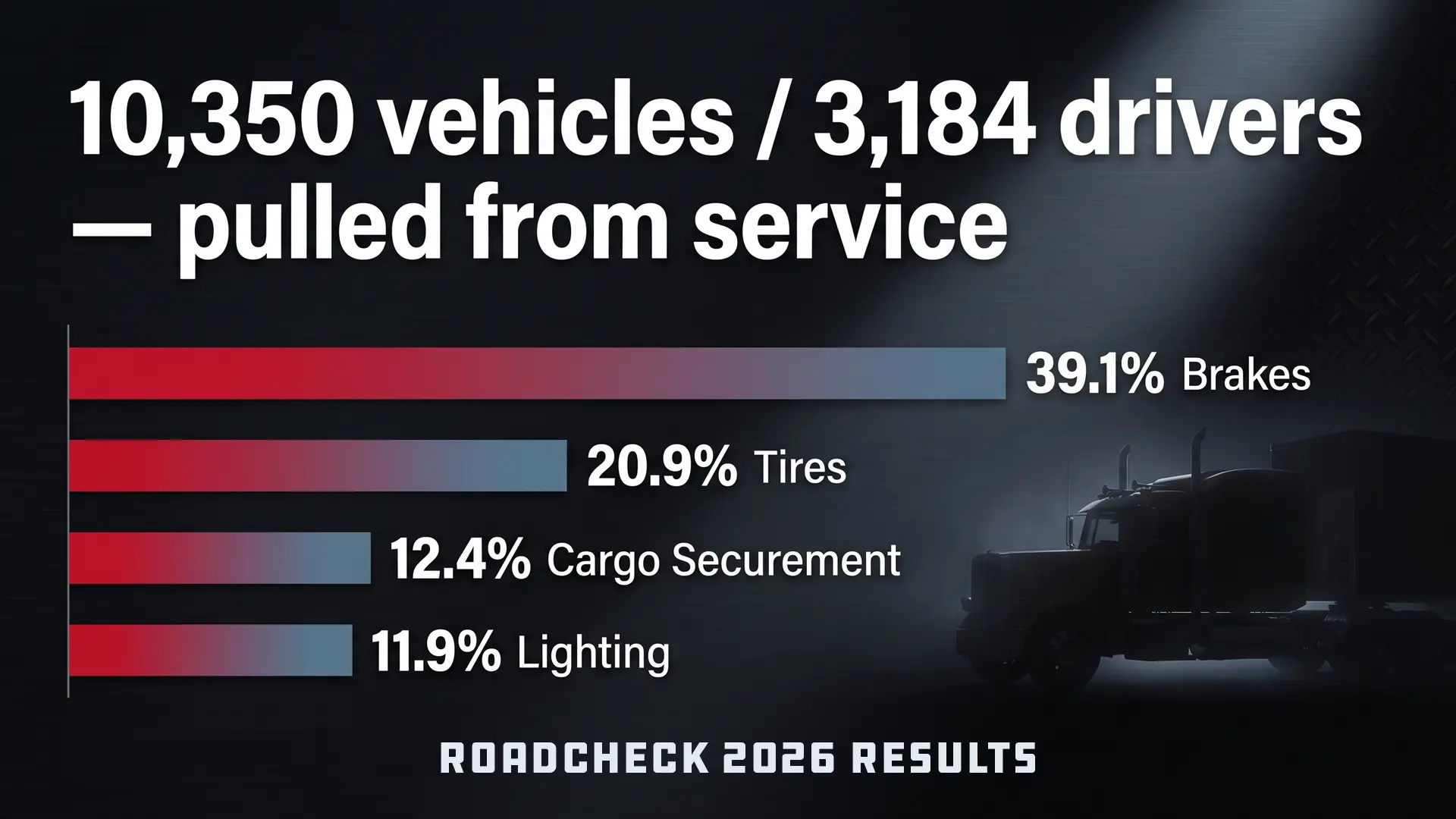
Roadcheck 2026 Results: What 10,000 Grounded Trucks Reveal About Your Fleet’s Risk
During this year's three-day International Roadcheck, certified inspectors conducted 54,575 roadside inspections across the U.S., Canada, and Mexico — and sidelined 10,350 commercial motor vehicles and 3,184 drivers for safety violations serious enough to warrant an...