

May Driving Tips
Every year, May signals a shift on American roads. The days get longer. Temperatures climb. And traffic — along with the risks that come with it — picks up fast.
Whether you're a daily commuter, a professional fleet driver, or a first-year teen driver, May demands a higher level of attention behind the wheel. Here's what you need to know.
FAQ: May Driving Safety at a Glance
What makes May driving more dangerous?
Increased traffic volume, active construction zones, unpredictable spring weather, and a sharp rise in motorcycles and pedestrians all converge in May — creating a uniquely complex driving environment.
What should I check on my vehicle in May?
Tire pressure and tread depth, brake condition, windshield wipers, fluid levels, and all exterior lights and signals.
Do professional drivers need to take extra precautions in May?
Yes. Spring roadside inspection activity increases, and cargo securement violations are among the most commonly cited. Pre-trip inspections and load securement compliance become especially critical.
Traffic Volume Is Rising — Are You Ready For It?
School schedules wind down. Road trips begin. More people are outside — running, biking, and walking. All of that adds up to a measurable increase in traffic across the country every May.
What that means on the road:
- More teen drivers. New license holders are gaining independence right as congestion picks up.
- More pedestrian and bicycle traffic. Warmer weather pulls people out of their cars and onto sidewalks, crosswalks, and bike lanes.
- More motorcycles. Riders who've been waiting out the winter are back in force — and they're harder to spot.
- Heavier weekend travel. Friday afternoons and Sunday evenings see significant increases in volume from recreational drivers.
The antidote is simple but non-negotiable: eliminate distractions and stay fully present behind the wheel.
Construction Zones Demand Your Full Attention
Spring construction season is active across much of the country, and work zones are unforgiving environments. Traffic patterns shift without much warning. Lanes narrow. Workers are feet from moving traffic.
Common construction zone hazards include:
- Sudden stops with little warning
- Uneven or broken pavement at speed
- Narrow lanes with no shoulder
- Heavy equipment entering and exiting
Fines for construction zone violations are elevated in most states — but more importantly, the consequences of inattention can be fatal. Reduce speed well before the zone begins, increase your following distance, and treat posted signs as hard rules, not suggestions.
Spring Weather Can Turn Fast
Clear skies in the morning don't guarantee clear skies by noon. May weather is still transitional, and heavy rainstorms, dense fog, and severe thunderstorms can materialize quickly.
Key wet-weather driving adjustments:
- Turn on your headlights at the first sign of rain — not just for visibility, but so others can see you
- Increase following distance significantly on wet roads; stopping distances increase substantially
- Avoid sudden braking or sharp steering inputs — smooth inputs are your best tool on slick surfaces
- If conditions become severe, reduce speed dramatically or pull safely off the road
One detail worth knowing: the first rain after a long dry spell is often the most dangerous. Oil residue rises to the surface before it washes away, making roads exceptionally slick.
Share the Road — Especially With Motorcyclists
May is one of the highest-risk months for motorcycle crashes, and the data consistently shows that driver inattention is a leading factor.
Motorcycles are more vulnerable for a simple reason: they're smaller, faster to maneuver, and easy to miss in mirrors and blind spots.
Best practices for sharing the road:
- Make a deliberate habit of checking mirrors and blind spots before every lane change
- At intersections, look twice before turning — motorcycles close distance faster than they appear to
- Give motorcycles the full width of their lane; avoid crowding them to one side
- Apply the same awareness to cyclists and pedestrians, who are also back on the roads in greater numbers
Your Vehicle Needs Attention Too
Spring is an ideal time for a focused safety inspection. A few minutes can prevent a breakdown — or worse.
May vehicle checklist:
| Item | What to Look For |
|---|---|
| Tires | Proper pressure, adequate tread depth, no sidewall damage |
| Brakes | Responsiveness, no pulling, no unusual sounds |
| Windshield wipers | Clean, streak-free contact across the full sweep |
| Fluids | Oil, coolant, brake, power steering, washer |
| Lights | All exterior lights functional — including turn signals |
For professional and commercial drivers:
Spring is also when roadside inspection activity increases. DOT inspectors are out in force, and cargo securement is among the most frequently cited violations. Pre-trip inspection discipline isn't just good practice — it's legal protection.
The Danger of Complacency
Here's the risk that doesn't make the headlines but causes more accidents than most people realize: getting too comfortable.
Good weather makes drivers feel safe. Familiar routes create autopilot. Long dry spells without incident lower alertness. And then something unexpected happens — and the response is too slow.
At DriveTeam, we teach that great driving is an active skill, not a passive habit. It requires knowledge, sharp decision-making, and consistent practice — in May, in January, and every month in between.
Sharpen Your Skills With DriveTeam
If May is a reminder that roads are complex environments, let it also be the push to invest in real training.
Teen Driver Training — Build a confident, skilled, and safety-conscious new driver with our P.B.D.E. Full Program, 2-Day Advanced, and 4-Hour Winter Skills courses.
Corporate & Fleet Training — Reduce liability and lower incident rates with Baseline/ProDriver Hands-On instruction and FMCSR/Load Securement compliance programs.
Emergency Response (E.R.O.C.) — Mission-critical training for law enforcement, fire, and EMS personnel, including Pursuit Operations and Essential Emergency Response courses.
DriveTeam offers programs for every driver:
DriveTeam — "Turning Driving into a Skill." Knowledge. Skills. Decision Making.
More From Our Blog

October Is National Pedestrian Safety Month — Here’s What Drivers Need to Know
October doesn't just mean cooler mornings and changing leaves. It's National Pedestrian Safety Month, and the roads carry more foot traffic than almost any other time of year — school pickup lines, sports practices, trick-or-treaters, and Halloween night itself. NHTSA...

Fall Driving Safety Tips: 8 New Hazards Every Driver Needs to Know
The 100 Deadliest Days are over. Fall driving risk is just getting started. As the school-year routine settles in and the 100 Deadliest Days of Summer fade into the rearview mirror, it's tempting to assume the riskiest stretch of the driving year is behind us. It...
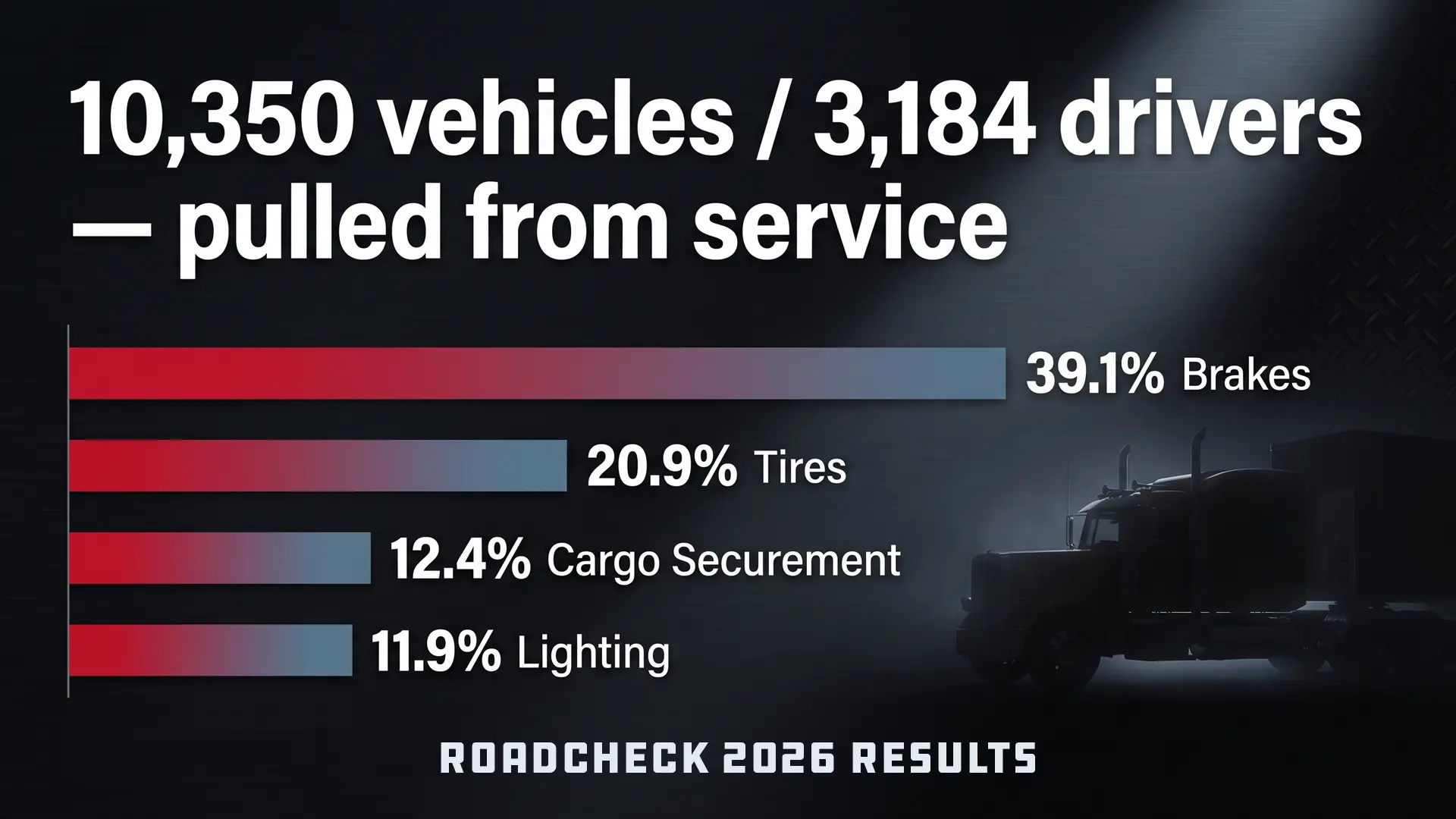
Roadcheck 2026 Results: What 10,000 Grounded Trucks Reveal About Your Fleet’s Risk
During this year's three-day International Roadcheck, certified inspectors conducted 54,575 roadside inspections across the U.S., Canada, and Mexico — and sidelined 10,350 commercial motor vehicles and 3,184 drivers for safety violations serious enough to warrant an...