

How Drivers Can Reduce Risk During the Most Dangerous Time of the Year
The 100 Deadliest Days refers to the period between Memorial Day and Labor Day, when fatal crashes involving teen drivers spike dramatically. According to AAA, an average of 8 people are killed every day in teen-driver-related summer crashes during this window—making it the most dangerous driving season of the year for young motorists.
Every summer, as school lets out and traffic builds, the roads quietly become more dangerous. Warmer weather creates a false sense of security. More teens are behind the wheel without supervision. Highways fill with vacation traffic, construction crews, and fatigued long-haul travelers. The conditions for tragedy quietly align.
Understanding why this period is so dangerous—and what families, fleet operators, and professionals can do about it—is the first step toward making it home safely.
What Makes the 100 Deadliest Days So Dangerous?
More Inexperienced Drivers on the Road
School breaks place newly licensed teens behind the wheel for longer stretches, often without supervision, often with passengers in the car, and often in unfamiliar driving environments. Young drivers haven't yet developed the hazard recognition skills or the split-second decision-making that experienced drivers take for granted.
Higher Traffic Volume
Summer vacations and holiday weekends funnel millions of extra vehicles onto highways. More cars mean more exposure—more opportunities for aggressive driving, driver fatigue, and the kind of tailgating that turns a minor slowdown into a multi-car pileup.
Distraction at Speed
A phone glance at 70 mph covers more than 100 feet in under a second. Summer brings more passengers, more GPS adjustments, and more mental overload from packed schedules. Even a brief loss of focus can be irreversible.
Speed and Overconfidence
Good weather invites bad decisions. Drivers accelerate, follow too closely, and make aggressive lane changes—believing clear skies and dry roads mean the margin for error is wider than it is. Speed remains one of the leading contributors to fatal crashes year-round, and summer is no exception.
Construction Zones
Summer road work creates compressed lanes, sudden stops, altered traffic patterns, and workers operating within feet of live traffic. Drivers who fail to slow down in work zones dramatically increase the risk of serious injury—to themselves and to others.
Eight Ways to Reduce Your Risk Right Now
1. Eliminate Distractions
Put the phone away before you start the car. Program the GPS before departure—and pull over if you need to adjust it. Parents and fleet managers: the people in your care are watching your habits. Model the behavior you expect.
2. Manage Your Speed
Even a modest reduction in speed gives you meaningfully more time to identify a hazard, process it, and react. Speed management is not about being slow—it's about keeping the margin between you and disaster wide enough to matter.
3. Increase Following Distance
Heavy summer traffic demands extra space. The rule of thumb: passenger vehicles need at least 3–4 seconds of following distance; commercial vehicles need 4–6 seconds or more depending on load and conditions. That buffer is time—and time is what saves lives.
4. Prepare Teen Drivers Intentionally
Additional supervised driving hours, night driving practice, highway exposure, and formal hazard recognition training all compound into better decision-making under pressure. Parents should also set clear expectations around passengers, phone use, curfews, and seatbelt compliance—before the keys change hands.
5. Stay Focused on the Task
Safe driving is an act of anticipation. Continuously scan ahead. Identify escape routes. Expect mistakes from other drivers before they happen. The goal is to stay out of situations that demand fast reactions—not to rely on them.
6. Inspect Your Vehicle
Summer travel stresses tires, brakes, cooling systems, and fluids. Before a long drive—or before handing the keys to a new driver—do a walk-around. Commercial fleets should enforce pre-trip inspection protocols without exception.
7. Manage Fatigue
Longer daylight hours and the pull of a destination create pressure to push through. Don't. Fatigue degrades reaction time and judgment faster than most drivers realize. Take breaks every two to three hours. Stay hydrated. If you're too tired to drive safely, you're too tired to drive.
8. Build a Safety Culture
For organizations and families alike, the goal isn't a checklist—it's a culture where safety is prioritized before the trip starts, where drivers feel empowered to report concerns, and where continuous training is normalized, not resented.
The Road Ahead
The 100 Deadliest Days are a reminder that favorable conditions do not equal safe conditions. In many ways, summer demands more discipline behind the wheel, not less—more awareness, more preparation, and more intentionality about the habits we model for the drivers who follow our lead.
Whether you are a parent of a newly licensed teenager, a fleet manager overseeing professional drivers, or a commercial operator preparing for peak-season volume: your habits behind the wheel matter. And the training that sharpens those habits matters most before a critical moment forces them to show.
At DriveTeam, we believe safer roads begin with better-trained drivers, stronger decision-making, and a commitment to continuous improvement. Our programs—from teen driver education to corporate fleet training and E.R.O.C. emergency response operations—are built around one core principle: **Turning Driving into a Skill.**
Teen Driver Programs → driveteam.com/teen/
Corporate Fleet Training → driveteam.com/corp/
E.R.O.C. Police, Fire & EMS → driveteam.com/e-r-o-c/
Contact Us → driveteam.com/contact-us/
Frequently Asked Questions
Q: What are the 100 Deadliest Days for teen drivers?
A: The 100 Deadliest Days is the period between Memorial Day and Labor Day, when fatal crashes involving teen drivers increase significantly. AAA research shows an average of 8 people are killed per day in teen-driver-related crashes during this stretch.
Q: Why are teen drivers more dangerous in summer?
A: School breaks place more inexperienced drivers on the road without the structure and accountability of the school year. Teens drive more miles, more often with passengers, and in less familiar conditions—all factors that compound crash risk.
Q: How can parents reduce teen driver risk this summer?
A: Parents should increase supervised practice driving, limit the number of passengers allowed, enforce a strict no-phone policy, and consider enrolling teens in a formal driver training program that focuses on hazard recognition and decision-making—not just vehicle operation.
Q: What teen driving programs does DriveTeam offer?
A: DriveTeam offers the P.B.D.E. Full Program, 2-Day Advanced Skills, and the 4-Hour Winter Skills clinic for teen drivers. Each program is designed to build the knowledge, skills, and decision-making ability that protect young drivers on real roads.
Q: Does DriveTeam train fleet drivers and emergency responders?
A: Yes. DriveTeam's Corporate division offers Baseline and ProDriver Hands-On training, FMCSR compliance, and Load Securement programs. The E.R.O.C. division trains law enforcement (Pursuit Operations), fire departments (Expanded Red Courses), and EMS personnel in high-stakes emergency response driving.
More From Our Blog
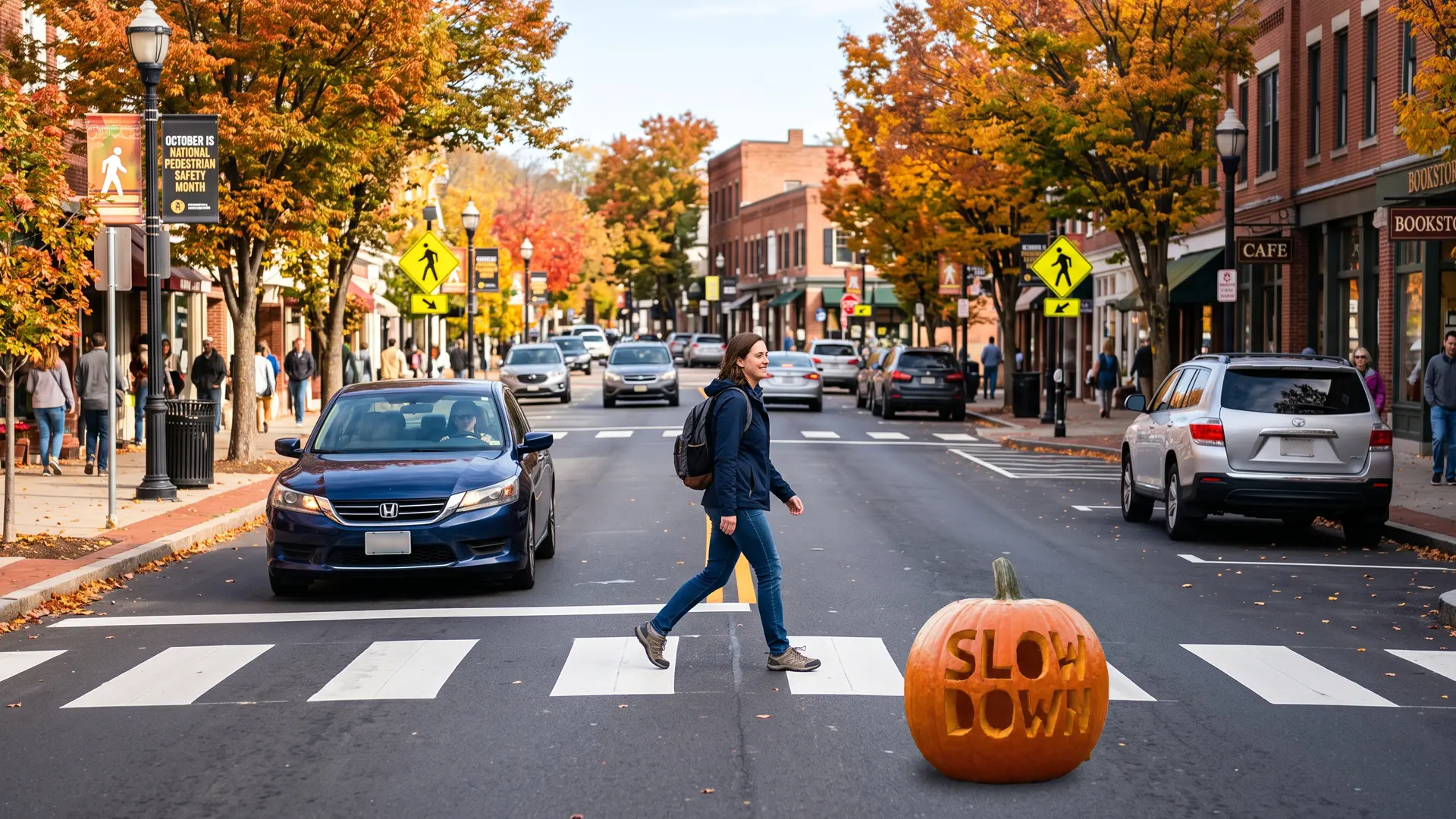
October Is National Pedestrian Safety Month — Here’s What Drivers Need to Know
October doesn't just mean cooler mornings and changing leaves. It's National Pedestrian Safety Month, and the roads carry more foot traffic than almost any other time of year — school pickup lines, sports practices, trick-or-treaters, and Halloween night itself. NHTSA...

Fall Driving Safety Tips: 8 New Hazards Every Driver Needs to Know
The 100 Deadliest Days are over. Fall driving risk is just getting started. As the school-year routine settles in and the 100 Deadliest Days of Summer fade into the rearview mirror, it's tempting to assume the riskiest stretch of the driving year is behind us. It...
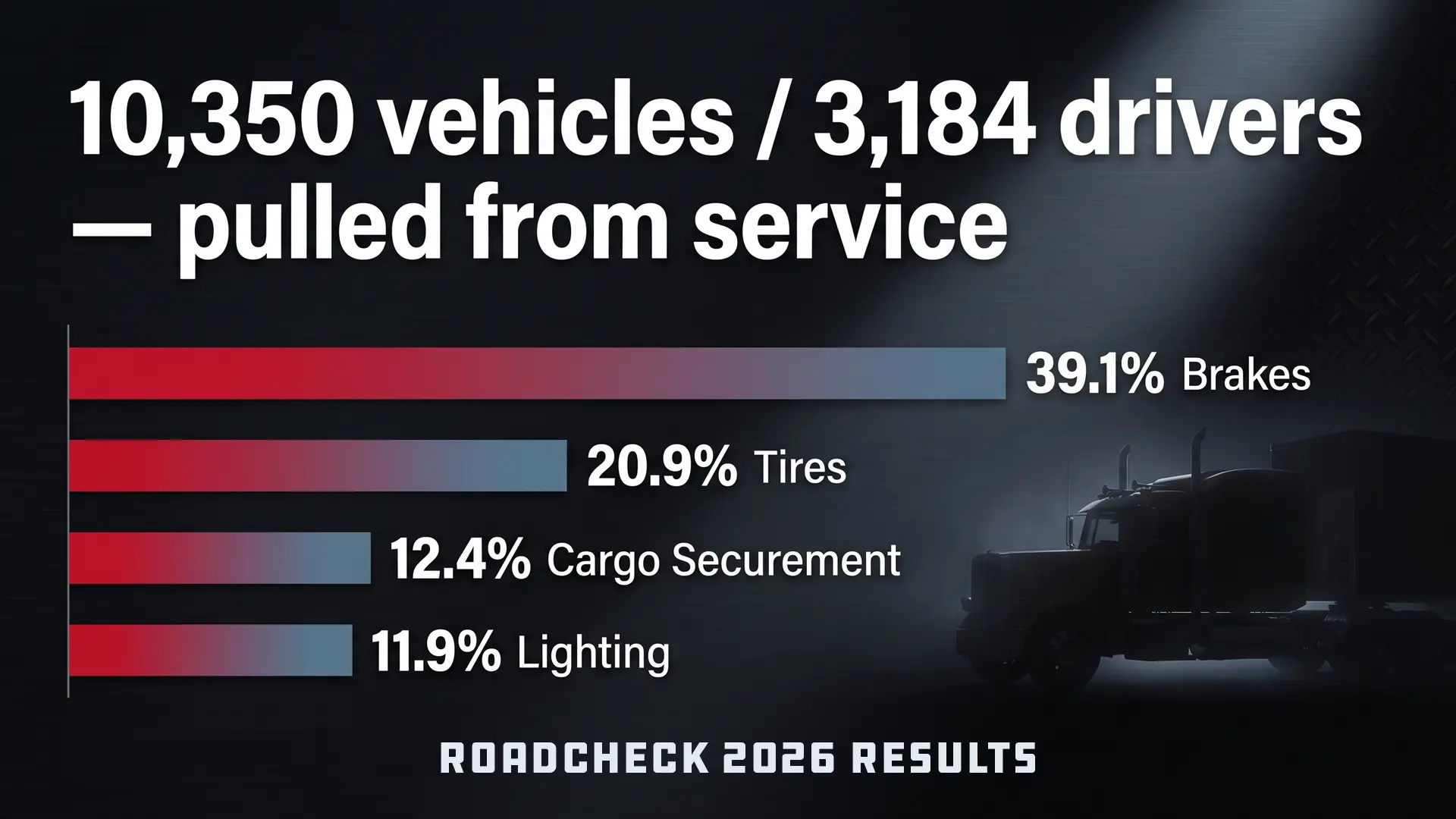
Roadcheck 2026 Results: What 10,000 Grounded Trucks Reveal About Your Fleet’s Risk
During this year's three-day International Roadcheck, certified inspectors conducted 54,575 roadside inspections across the U.S., Canada, and Mexico — and sidelined 10,350 commercial motor vehicles and 3,184 drivers for safety violations serious enough to warrant an...