
Transforming Intersections for Enhanced Safety and Efficiency
As a valued client, DriveTeam is committed to providing you with the latest in traffic management solutions. One of our most effective tools in achieving smoother, safer traffic flow is the modern roundabout. As we encounter more and more roundabout’s across the states, we understand it can be overwhelming especially when a driver is uncertain how to handle those situations. One of the ways to help minimize the stress with something new is to plan ahead, and gain a better understanding for the change. Let’s explore how these innovative designs can benefit your community, and how to handle them.

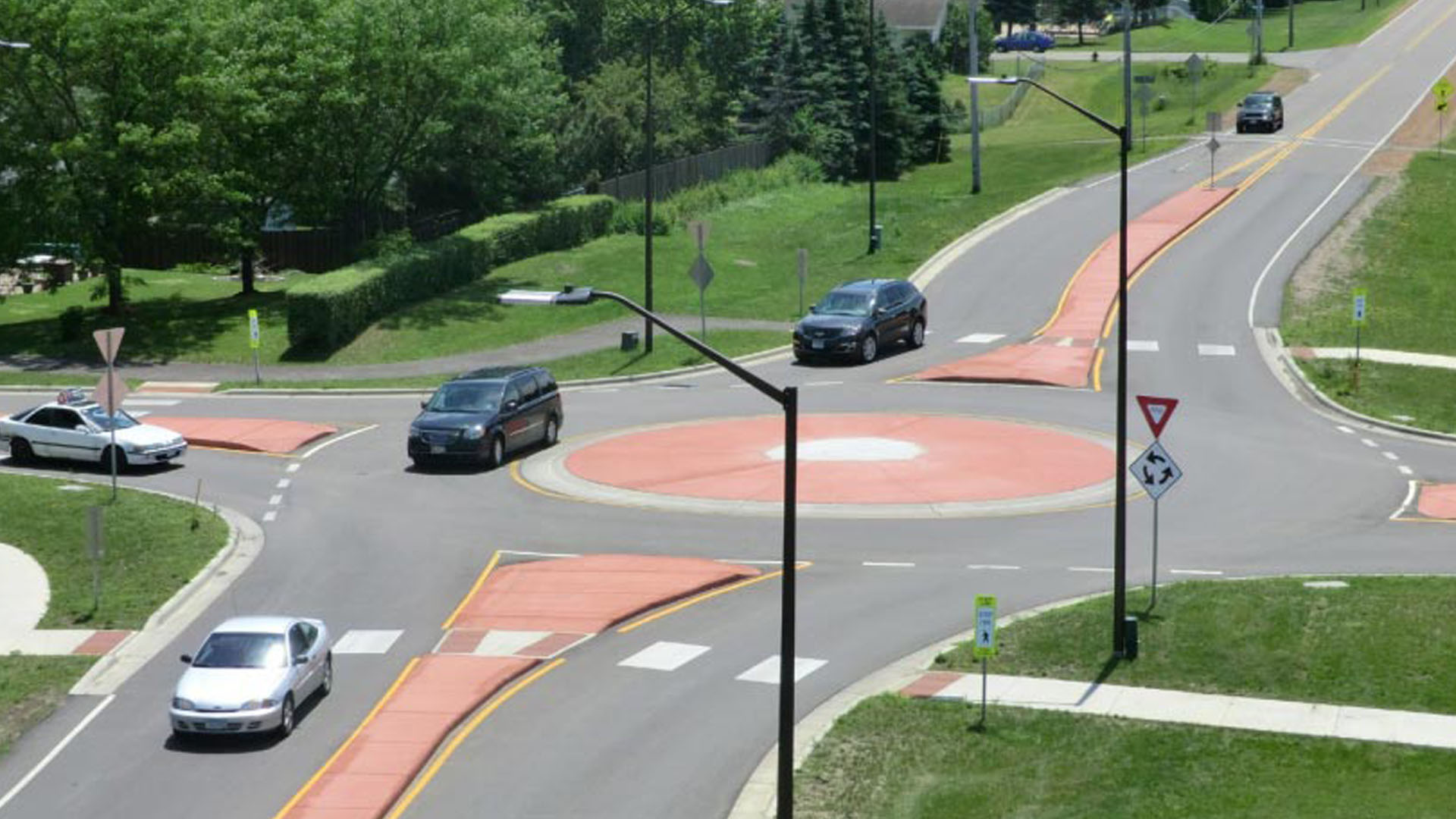
Illustration of a multi-lane roundabout. Source: FHWA
What is a Modern Roundabout?
A modern roundabout is a circular intersection designed to manage traffic in a safe and efficient manner. Unlike traditional intersections, roundabouts have distinct features:
- Curved Approaches: These slow down vehicles before entering the roundabout, enhancing safety.
- Yield at Entry: Vehicles entering the roundabout must yield to traffic already circulating, ensuring a continuous flow.
- Counterclockwise Movement: This minimizes conflict points and simplifies navigation around the central island.
- Safety Benefits: The design significantly reduces the likelihood of high-impact crashes.
Why Choose Roundabouts?
- Efficiency in Traffic Flow: They reduce delays and queuing compared to stop signs and traffic signals.
- Pedestrian and Cyclist Friendly: Slower speeds make for a safer environment for non-vehicular traffic.
- Flexibility: Suitable for both urban and rural areas and various traffic volumes.
- Speed Management: Ideal for transitioning traffic from high-speed areas to lower-speed zones, such as near schools or residential areas.
Plan Your Path of Travel
- Plan Your Route: Where do you plan to exit?
- Choose the proper lane.
- Watch Your Signs: Identify which exit you need to take.
- Signal When exiting the Roundabout.
Compliance and Legal Considerations:
Adhering to traffic regulations, including those outlined in Ohio Revised Code Section 4511.32, is crucial. Roundabouts support one-way traffic and are designed with legal compliance in mind. Awareness of traffic rules within roundabouts is essential to avoid legal consequences.
Implementing Roundabouts with DriveTeam:
DriveTeam is committed to offering in-depth education on roundabouts, aiming to streamline and optimize traffic management education. Our role is to support you through each phase of roundabout adoption. Beginning with the initial route planning and culminating in the successful implementation, our skilled team ensures that integrating roundabouts into your current road system is seamless and effective. Adopting roundabouts not only improves traffic circulation but also brings numerous benefits associated with this modern approach to intersection design.
Conclusion:
DriveTeam is dedicated to enhancing road safety and efficiency. Roundabouts, offer a solution that aligns with this goal, providing a sophisticated, user-friendly traffic management system for our communities.
More From Our Blog

Fall Driving Safety Tips: 8 New Hazards Every Driver Needs to Know
The 100 Deadliest Days are over. Fall driving risk is just getting started. As the school-year routine settles in and the 100 Deadliest Days of Summer fade into the rearview mirror, it's tempting to assume the riskiest stretch of the driving year is behind us. It...
Roadcheck 2026 Results: What 10,000 Grounded Trucks Reveal About Your Fleet’s Risk
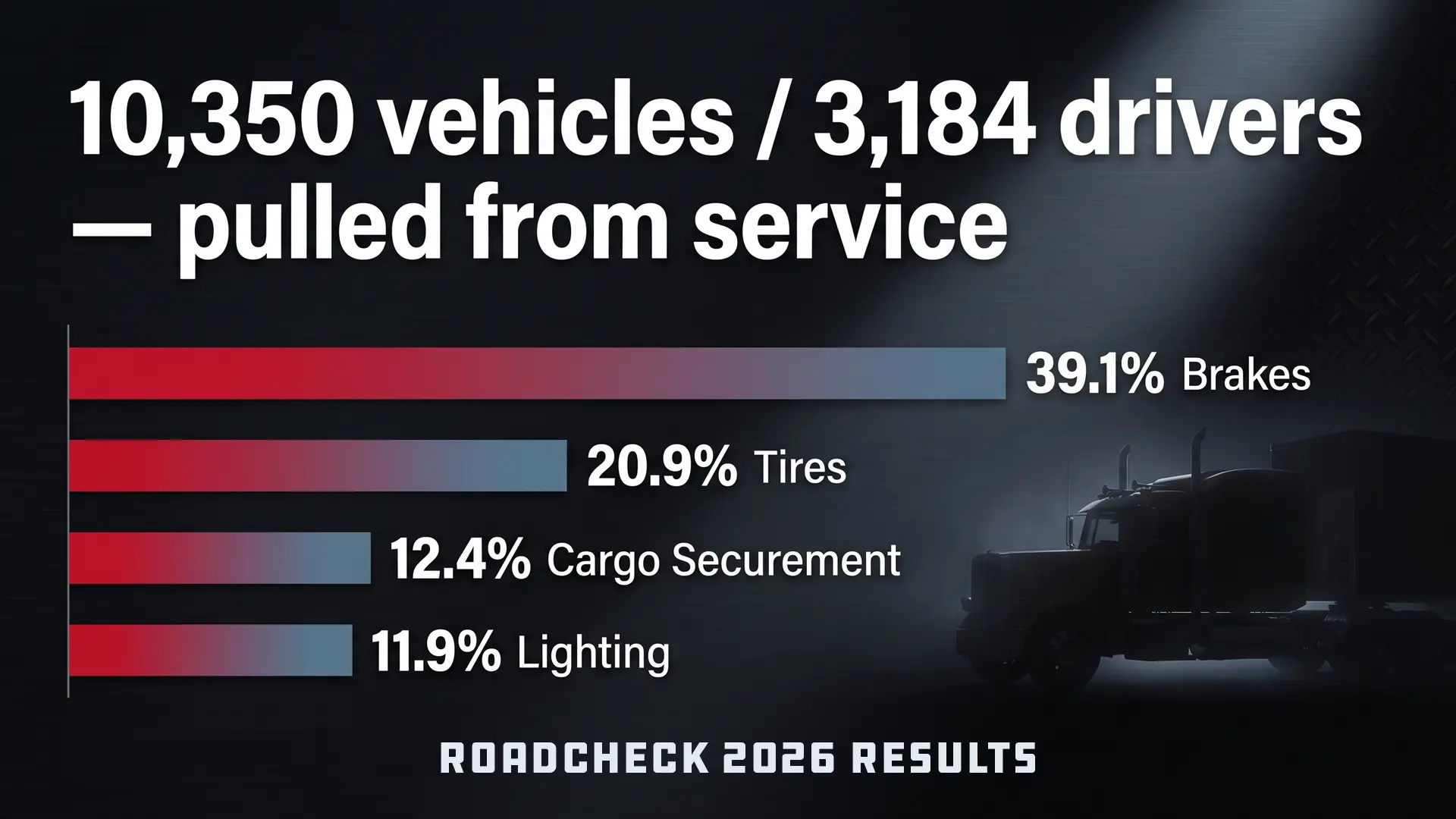
During this year's three-day International Roadcheck, certified inspectors conducted 54,575 roadside inspections across the U.S., Canada, and Mexico — and sidelined 10,350 commercial motor vehicles and 3,184 drivers for safety violations serious enough to warrant an...

Brake Safety Isn’t a One-Week Event: What Fleet Managers Should Take from CVSA’s Brake Safety Week
Brake Safety Week Ends August 29. Brake Safety Doesn't. Every year, the Commercial Vehicle Safety Alliance's Brake Safety Week puts a spotlight on one of the most consistent causes of commercial vehicle out-of-service violations: brakes. For seven days, inspectors...