

October saw approximately 3,815 motor vehicle fatalities - Fall Driving 2023
Source: NHTSA
What should we be aware of for fall driving this month?
1. Changing Weather Conditions
- Rain, fog, frost, and wet leaves create slick roads, reduce traction, and impair visibility, leading to increased crash risks.
2. Reduced Daylight & Nighttime Driving
- Shorter days mean more drivers are on the road at dusk or in the dark, where reduced visibility increases the likelihood of accidents, especially for less experienced drivers like teens.
3. Distracted Driving
- Distractions such as texting, eating, or interacting with passengers continue to be a leading cause of crashes. Halloween festivities also introduce additional distractions for both drivers and pedestrians.
4. Speeding or Driving Too Fast for Conditions
- Failure to adjust speed for weather or road conditions is a common contributor, especially when roads are wet or icy, reducing the ability to stop quickly.
5. Animal Activity (Deer Collisions)
- October marks the start of deer mating season, leading to an increase in deer-vehicle collisions, particularly at dawn and dusk when visibility is already lower.
Opportunities to prepare for these daily risks:
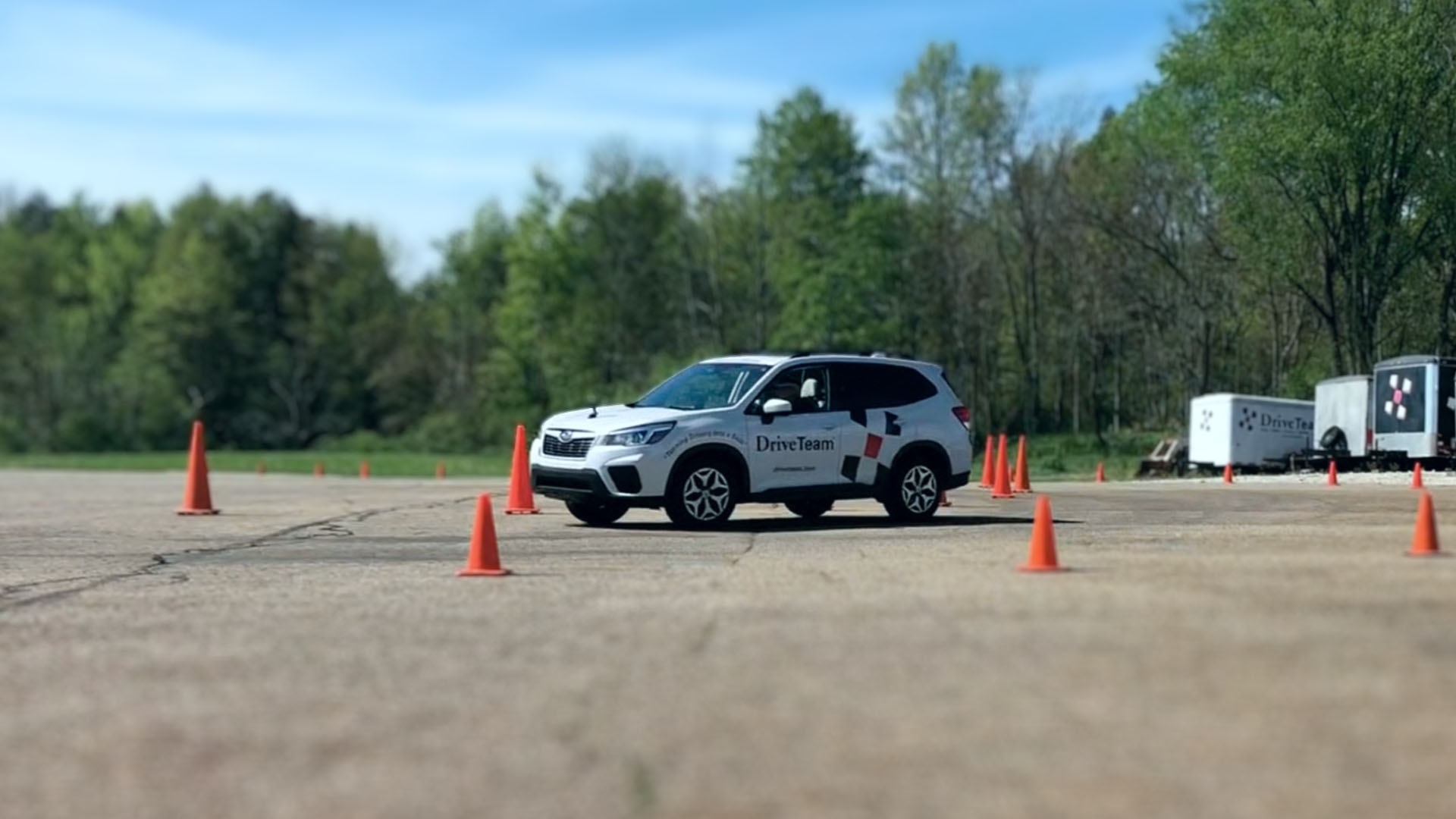
2-Day Advanced Skills

4-Hour Advanced
Teen Driving Clinic

4-Hour Winter Skills Clinic
More From Our Blog
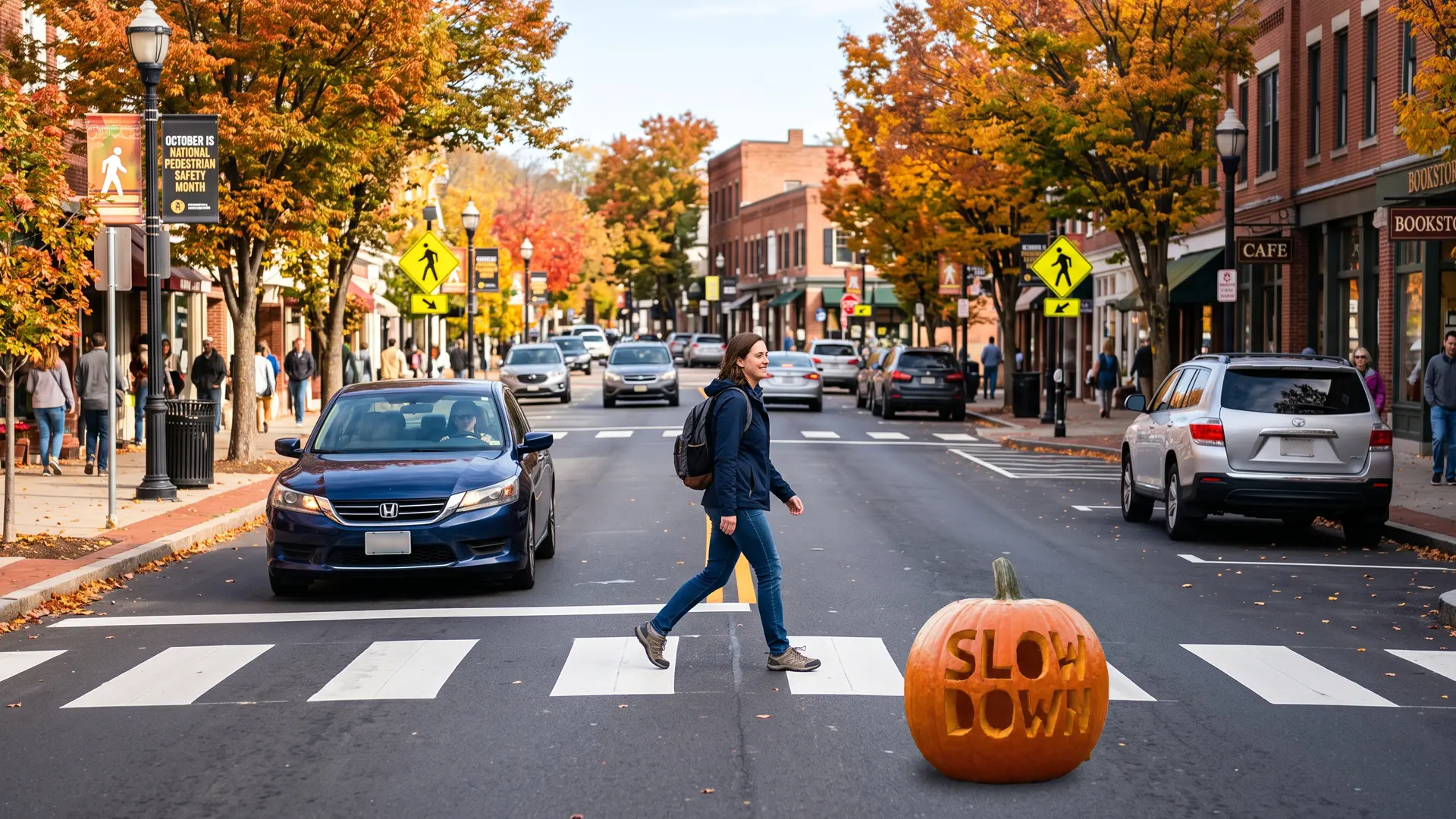
October Is National Pedestrian Safety Month — Here’s What Drivers Need to Know
October doesn't just mean cooler mornings and changing leaves. It's National Pedestrian Safety Month, and the roads carry more foot traffic than almost any other time of year — school pickup lines, sports practices, trick-or-treaters, and Halloween night itself. NHTSA...

Fall Driving Safety Tips: 8 New Hazards Every Driver Needs to Know
The 100 Deadliest Days are over. Fall driving risk is just getting started. As the school-year routine settles in and the 100 Deadliest Days of Summer fade into the rearview mirror, it's tempting to assume the riskiest stretch of the driving year is behind us. It...
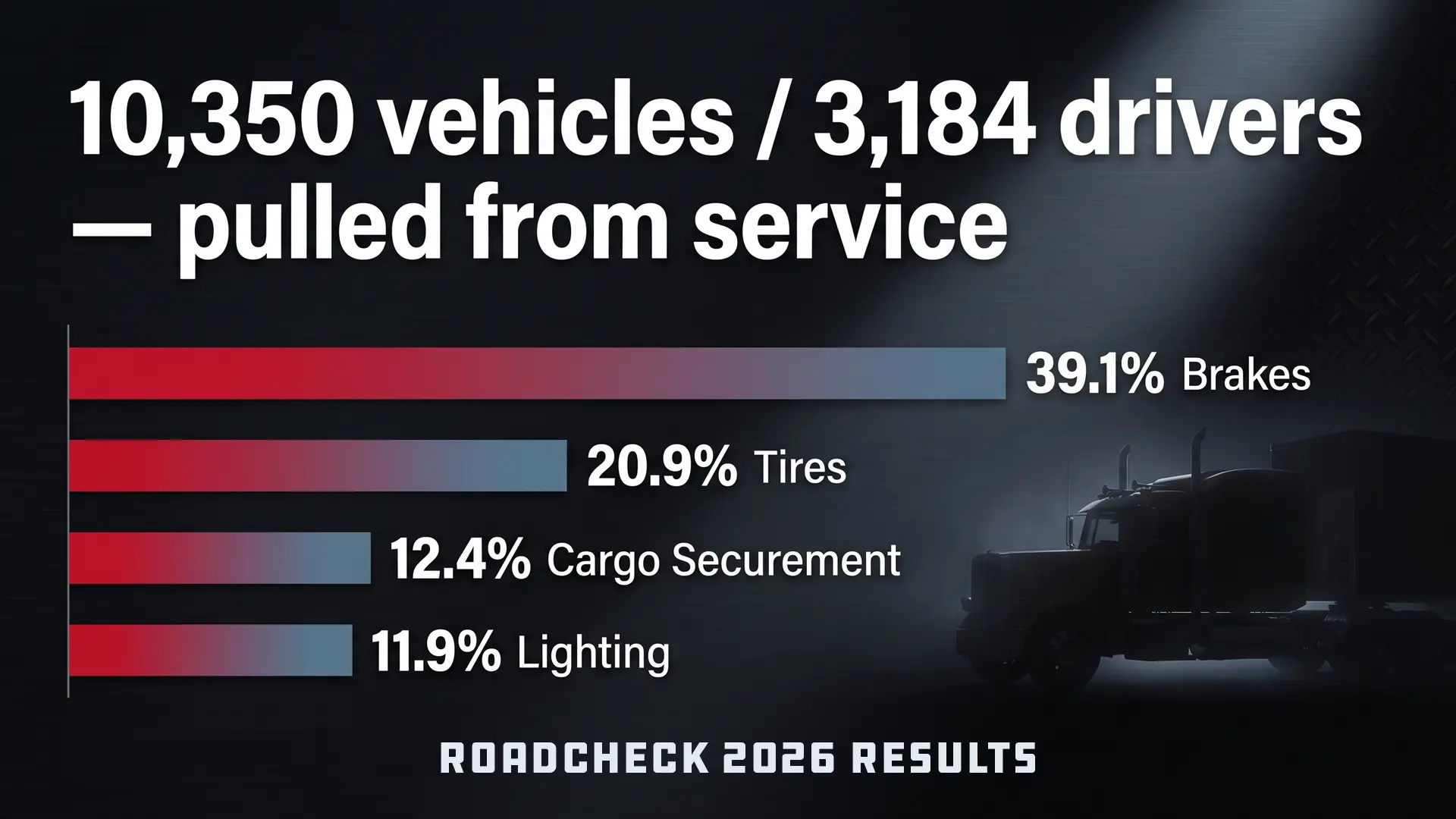
Roadcheck 2026 Results: What 10,000 Grounded Trucks Reveal About Your Fleet’s Risk
During this year's three-day International Roadcheck, certified inspectors conducted 54,575 roadside inspections across the U.S., Canada, and Mexico — and sidelined 10,350 commercial motor vehicles and 3,184 drivers for safety violations serious enough to warrant an...