
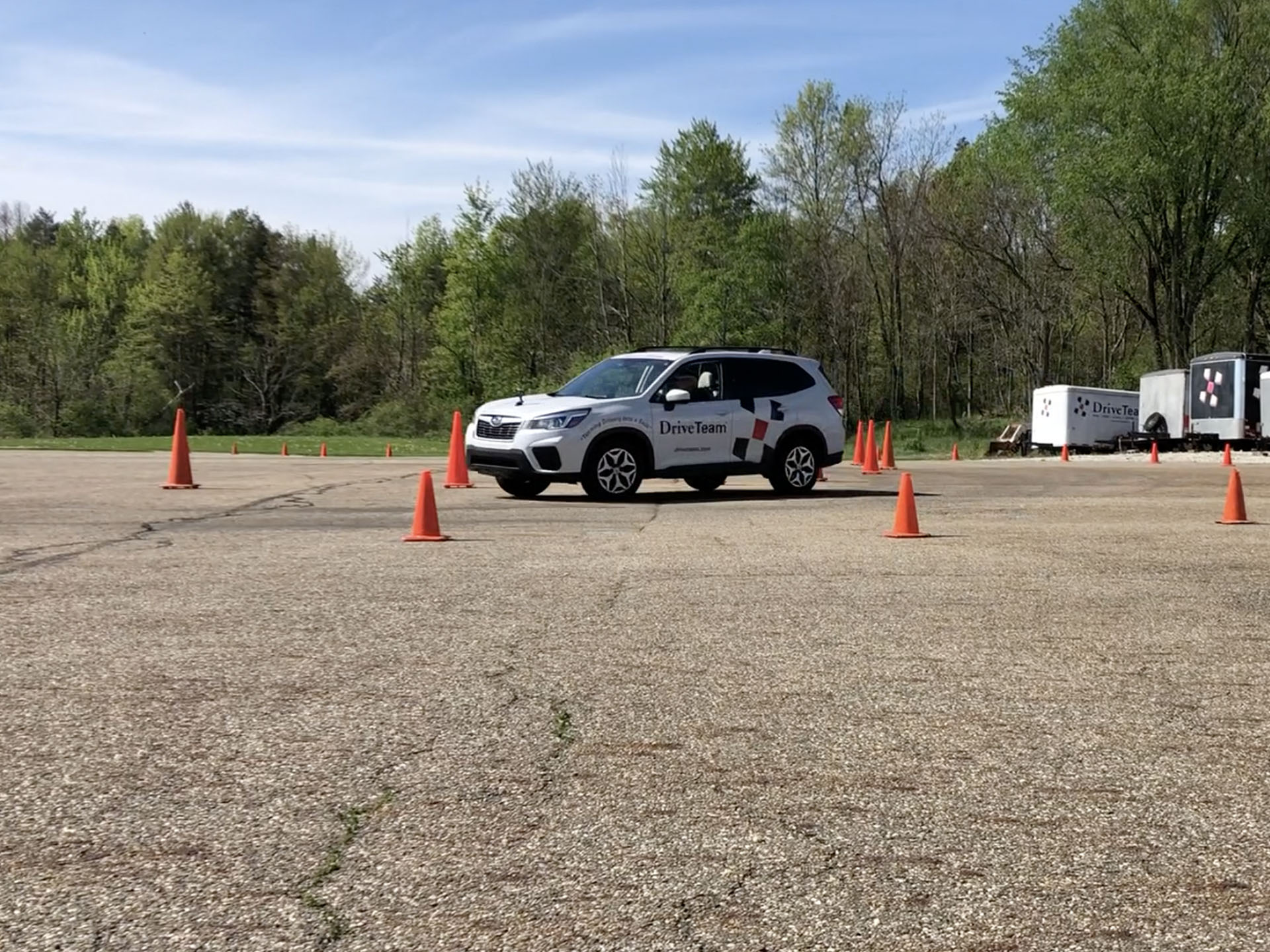
Enhancing Decision Making: Knowledge and Skills for Safer Driving
As summer draws to a close, with final trips wrapping up and preparations for back to school in full swing, the everyday hustle never stops. We delved into the major contributing factors of motor vehicle crashes in August over the past few years. Decision making is a crucial step as you read through these tips.
- Distracted Driving: A perennial menace on the roads, distracted driving encompasses activities such as cell phone usage, eating, or even adjusting the radio. In 2022, it led to approximately 3,500 fatalities, a significant concern that persisted into 2023.
- Speeding: Excessive speeding remains a formidable factor, accounting for 10,000 to 12,000 fatalities annually. Speed limits exist to ensure safety, and flouting them markedly heightens the risk of severe accidents.
- Driving Under the Influence (DUI): Impairment from alcohol and drugs is a major contributor to motor vehicle crashes, resulting in a substantial share of accidents and fatalities.
- Reckless Driving: Behaviors such as aggressive maneuvers, tailgating, and running red lights are responsible for nearly 5,000 fatalities each year. Such driving reflects a blatant disregard for traffic laws and safety.
- Weather Conditions: Adverse weather conditions can impair visibility and road traction, leading to an uptick in accidents.
What Can You Do to Manage This?
- Distracted Driving: Planning your day, allocating extra travel time, and taking regular breaks can minimize distractions like eating and drinking behind the wheel. Pre-planning your route and reviewing directions can reduce dependence on GPS, transforming it from a distraction to a helpful tool. Additionally, using driving mode or "do not disturb" features can curb the temptation to check your phone while driving.
- Speeding: Better planning and allowing more travel time can alleviate the pressure of rushing or being late. The slight time saved by speeding does not justify the exponentially increased risk, especially for speeds just 10 mph over the limit or higher.
- Driving Under the Influence: Please, please, please avoid driving if you're under the influence of drugs or alcohol. Stay at a friend's place if needed, utilize driving services, have a designated driver, decision making is key (parents, remember that your newly licensed driver cannot be your DD), or call for a ride. Just don't drive.
- Reckless Driving: Maintain a four-second gap between your vehicle and the one in front. This buffer allows for better visibility, more time to anticipate other drivers' actions, and a greater reaction window. With 42% of crashes occurring at intersections, staying alert and keeping your eyes up is crucial.
- Weather Conditions: Simplify your approach by increasing following distance in rain or fog and reducing speed to minimize the risk of hydroplaning and to better identify potential hazards in inclement weather.
Enhancing your driving skills and understanding the risks can lead to better decision making, ensuring you get home safely to your family every day!
More From Our Blog

October Is National Pedestrian Safety Month — Here’s What Drivers Need to Know
October doesn't just mean cooler mornings and changing leaves. It's National Pedestrian Safety Month, and the roads carry more foot traffic than almost any other time of year — school pickup lines, sports practices, trick-or-treaters, and Halloween night itself. NHTSA...

Fall Driving Safety Tips: 8 New Hazards Every Driver Needs to Know
The 100 Deadliest Days are over. Fall driving risk is just getting started. As the school-year routine settles in and the 100 Deadliest Days of Summer fade into the rearview mirror, it's tempting to assume the riskiest stretch of the driving year is behind us. It...
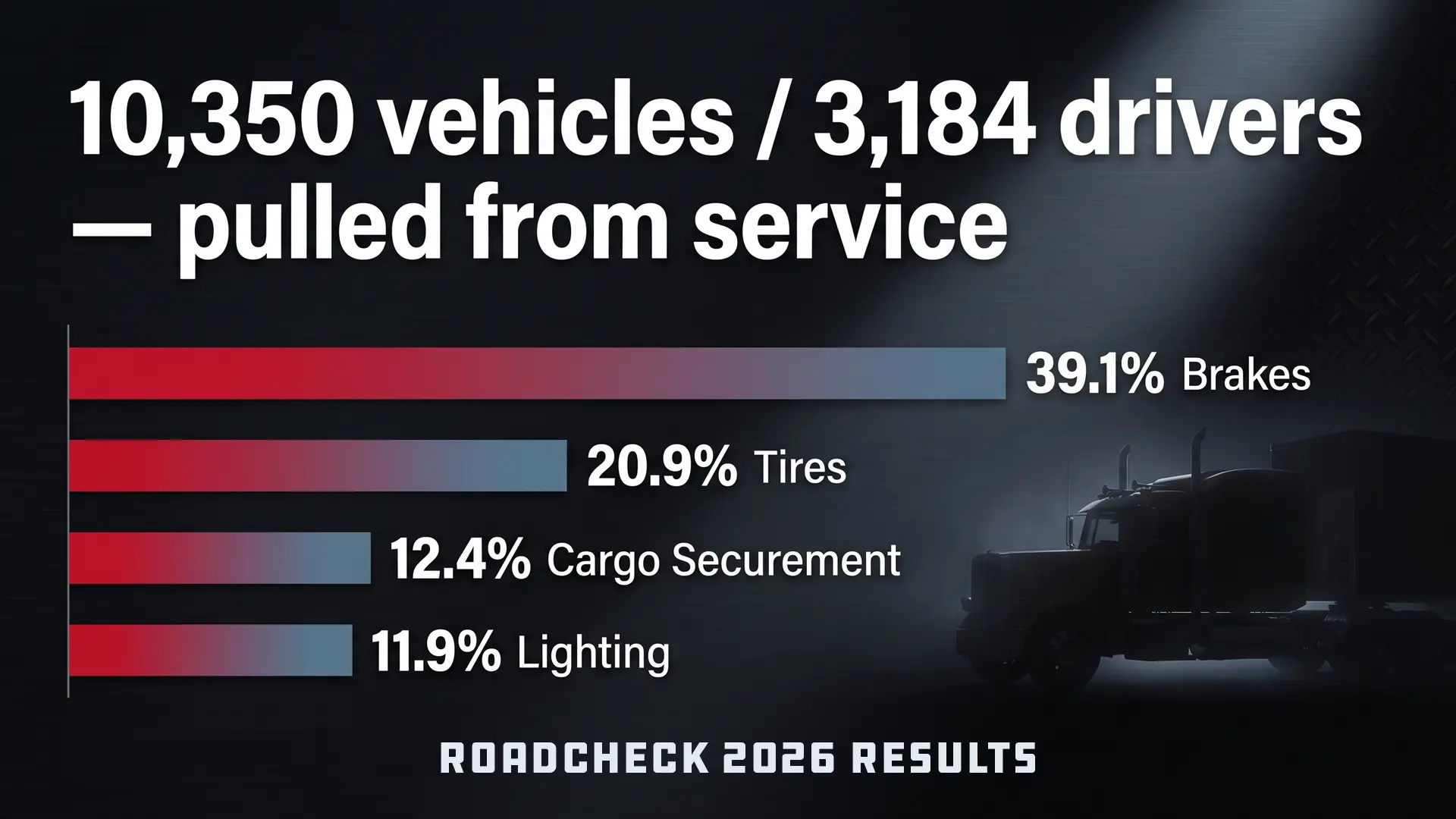
Roadcheck 2026 Results: What 10,000 Grounded Trucks Reveal About Your Fleet’s Risk
During this year's three-day International Roadcheck, certified inspectors conducted 54,575 roadside inspections across the U.S., Canada, and Mexico — and sidelined 10,350 commercial motor vehicles and 3,184 drivers for safety violations serious enough to warrant an...