

Motor Vehicle Crash - Driving Down Costs
At DriveTeam, we specialize in training teen drivers, law enforcement officers, firefighters, EMS personnel, and corporate fleet operators. We've witnessed firsthand the transformative power of quality driver education. Over the years, we've helped countless organizations minimize risks on the road, from high-stakes emergency responses to everyday fleet operations. But beyond saving lives, investing in driver training delivers a powerful financial punch. Motor vehicle crashes aren't just tragic—they're expensive. According to data from the National Safety Council (NSC), the Federal Motor Carrier Safety Administration (FMCSA), and the National Highway Traffic Safety Administration (NHTSA), these incidents can drain resources, hike insurance rates, and disrupt business. In this post, we'll break down the true costs of crashes, explore the return on investment (ROI) from prevention, and highlight why enhancing your driver safety program is a smart business move.
Crashes come in all severities, but their financial impact is always significant. We categorize them into three types: those with injuries, without injuries, and fatalities. Direct costs include immediate expenses like vehicle repairs, medical bills, and property damage. Indirect costs, however, often eclipse these—they encompass lost productivity, training replacements, insurance premium increases, legal fees, and even damage to your company's reputation.
Non-injury crashes might seem minor, but they add up fast. Direct costs here fall between $5,000 and $25,000, covering repairs and towing. Indirect costs, such as lost work hours and fleet disruptions, add another $10,000 to $50,000 or more, bringing the total to $15,000 to $75,000.The most devastating are fatal crashes, where average costs soar from $750,000 to over $1.5 million. This includes hefty direct expenses like settlements and investigations, plus indirect hits from profound productivity losses and long-term reputational harm.
To put it in perspective, here's a summary table based on insights from NSC, FMCSA, and NHTSA:
|
Crash Type
|
Direct Cost Estimate
|
Indirect Cost Estimate
|
Total Estimated Cost
|
|---|---|---|---|
|
Non-Injury Crash
|
$5,000 - $25,000
|
$10,000 - $50,000
|
$15,000 - $75,000
|
|
Injury Crash
|
$75,000 - $125,000
|
$150,000 - $375,000
|
$200,000 - $500,000+
|
|
Fatal Crash
|
$750,000+
|
$1,000,000+
|
$1.5 million+
|
These figures aren't hypothetical; they're drawn from real-world data on employer impacts. Imagine the ripple effect: a single injury crash could sideline a key driver for weeks, forcing overtime pay and rushed hires, while a fatality might trigger lawsuits and erode trust with clients and employees alike.
The good news?
ROI = (Benefit - Investment) / Investment × 100 = ($100,000 - $17,000) / $17,000 × 100 ≈ 488%
That's nearly a 5-to-1 return! Scale this up: For a fleet with multiple vehicles, averting several crashes annually could save hundreds of thousands, freeing up capital for growth instead of recovery.Beyond the immediate savings, proactive safety measures unlock broader benefits that compound over time:
- Lower Insurance Premiums: Insurers reward safer fleets with reduced rates, often dropping 10-20% after implementing training programs.
- Reduced Workers’ Compensation Claims: Fewer injuries mean lower payouts and fewer disputes, stabilizing your bottom line.
- Improved CSA Scores (for DOT-Regulated Fleets): Better compliance scores from FMCSA enhance your operational eligibility and reduce inspection risks.
- Less Downtime and Lost Productivity: Trained drivers avoid mishaps, keeping vehicles on the road and teams focused on core tasks.
- Fewer Legal and Administrative Costs: Proactive policies minimize lawsuits, fines, and paperwork burdens.
- Stronger Employee Morale and Retention: When workers feel safe and supported, turnover drops—saving on recruitment and onboarding.
- Better Brand and Public Reputation: A crash-free record builds trust, attracting clients who prioritize responsible partners.
In our experience training corporate fleets, these elements create a virtuous cycle. Police and firefighters we've worked with report sharper decision-making under pressure, while EMS teams emphasize how simulation-based training prevents secondary accidents during responses. For businesses, it's about turning potential liabilities into competitive advantages.
If you're starting or upgrading your driver safety program, now's the time. Whether it's tailored courses for your fleet, advanced simulations for high-risk roles, or integrating telematics with coaching, the right approach can slash crash rates by 20-50% or more. As a team dedicated to safer roads, we know the investment pays dividends in lives saved and costs avoided.
Strategies to Reduce Motor Vehicle Accidents in the Workplace
Here are key measures businesses can adopt to minimize risks and enhance protection for their driving workforce:
- Perform detailed screening before hiring. As the adage goes, it's better to prevent issues than fix them later. For roles involving driving, review candidates' histories thoroughly, including their motor vehicle records and substance screenings. Prioritize those with a proven track record of safe driving to avoid potential hazards.
- Monitor driving records annually. Routinely examine employees' motor vehicle reports to confirm license validity and check for any infractions. Restrict operation of specialized equipment to those with appropriate certifications only.
- Maintain vehicles through consistent checks and upkeep. Schedule routine maintenance and safety inspections to address any mechanical problems that could lead to accidents. Foster an environment where workers can freely flag vehicle defects or hazardous behaviors, with assurances that reports will be addressed promptly.
- Establish and uphold a robust safe driving protocol. Outline clear rules covering mandatory seatbelt usage, prohibitions on mobile device handling while behind the wheel, adherence to speed limits and signals, and penalties for non-compliance. Emphasize zero tolerance for distractions—refer to our guide on creating an effective policy against distracted driving in the workplace.
- Incorporate vehicle monitoring technology. For fleets, install systems that monitor driving patterns and deliver immediate insights. This enables coaching on safer habits and alerts management to any dangerous tendencies.
- Promote rest periods for drivers. Long shifts, especially during off-peak hours, heighten the chance of fatigue-related errors. Advise stopping every couple of hours or 100 miles, particularly on night drives. Ensure personnel are well-rested prior to extended trips and instruct them to stop if signs of tiredness emerge.
- Offer ongoing training sessions on road safety. Regular workshops can equip drivers to handle tough weather, sharpen quick-response skills, and reinforce core driving principles that might fade with routine.
Contact us today to customize a plan that fits your needs: Visit our Corporate Driver Training page for a quick overview
~ Let's work together to protect your team and your bottom line.
Our Citations:
- FMCSA's updated crash cost methodology (2024): https://www.fmcsa.dot.gov/safety/data-and-statistics/fmc-pre-240812-001-federal-motor-carrier-safety-administration-crash
- NHTSA's Economic and Societal Impact of Motor Vehicle Crashes (2019 report, PDF): https://crashstats.nhtsa.dot.gov/Api/Public/ViewPublication/813403.pdf
- NHTSA press release on crash costs (2023): https://www.nhtsa.gov/press-releases/traffic-crashes-cost-america-billions-2019
- NHTSA's list of economic cost publications: https://crashstats.nhtsa.dot.gov/#%21/PublicationList/53
More From Our Blog

October Is National Pedestrian Safety Month — Here’s What Drivers Need to Know
October doesn't just mean cooler mornings and changing leaves. It's National Pedestrian Safety Month, and the roads carry more foot traffic than almost any other time of year — school pickup lines, sports practices, trick-or-treaters, and Halloween night itself. NHTSA...

Fall Driving Safety Tips: 8 New Hazards Every Driver Needs to Know
The 100 Deadliest Days are over. Fall driving risk is just getting started. As the school-year routine settles in and the 100 Deadliest Days of Summer fade into the rearview mirror, it's tempting to assume the riskiest stretch of the driving year is behind us. It...
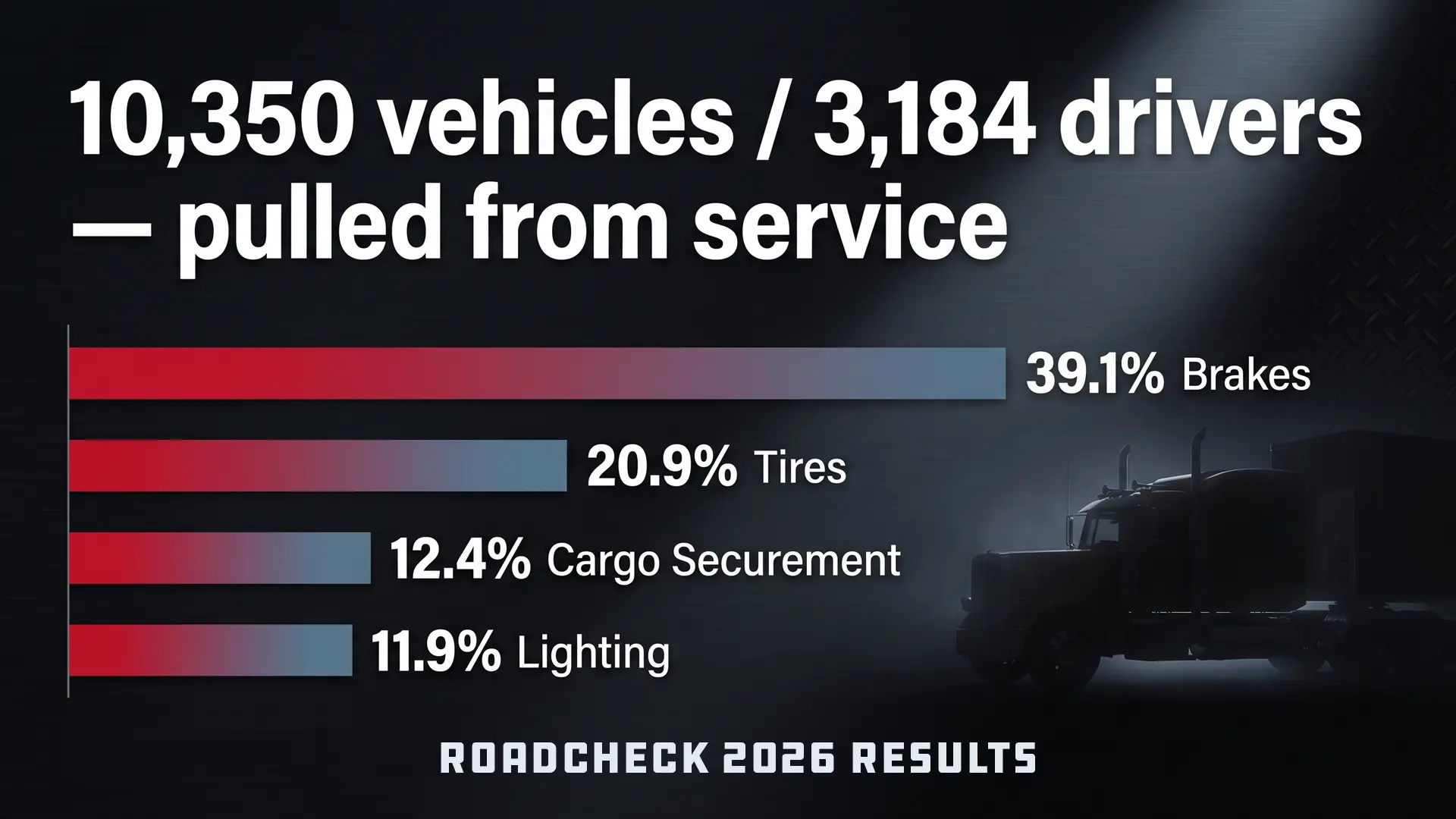
Roadcheck 2026 Results: What 10,000 Grounded Trucks Reveal About Your Fleet’s Risk
During this year's three-day International Roadcheck, certified inspectors conducted 54,575 roadside inspections across the U.S., Canada, and Mexico — and sidelined 10,350 commercial motor vehicles and 3,184 drivers for safety violations serious enough to warrant an...